

Navigating the senior living journey can be overwhelming, especially when it comes to choosing the right living arrangement. Assisted living strikes a balance between independence and necessary support, but understanding whether it’s the right fit for you or your loved one isn’t always perfectly clear. What kind of support is really offered by these communities? Are there situations that aren’t supported in assisted living settings?
Whether you’re exploring options for yourself or a loved one, we’ll go over who qualifies for assisted living, including key health and financial considerations. We’ll also highlight situations where assisted living might not be the best fit. With this blog, you can equip yourself with the knowledge to make informed decisions and ensure the best possible support for your loved ones.
Typical Age Range for Assisted Living
Assisted living communities are designed for older adults, generally welcoming those who are 55 and older. Most residents are in their 70s or 80s, but younger seniors with specific health needs can also find a home in assisted living communities. The idea is to create a space where people at similar stages of life can share experiences and enjoy a supportive environment.Age requirements help ensure that the community is well-suited to the lifestyle and unique needs of seniors. These communities offer a range of activities, health care support, and social opportunities tailored to older adults. However, age is just one piece of the puzzle. Physical and cognitive health, along with the ability to manage daily activities, also play a big role in determining if assisted living is the right choice.Each assisted living community might have slightly different age policies, so it’s a good idea to ask about specifics when exploring your options. Some communities may be more flexible and willing to accommodate younger seniors with unique needs.Knowing the age requirements is a helpful first step in understanding if assisted living is right for you or your loved one. Next, we’ll look at health conditions and daily living needs to give you a fuller picture of what makes someone a good fit for assisted living. 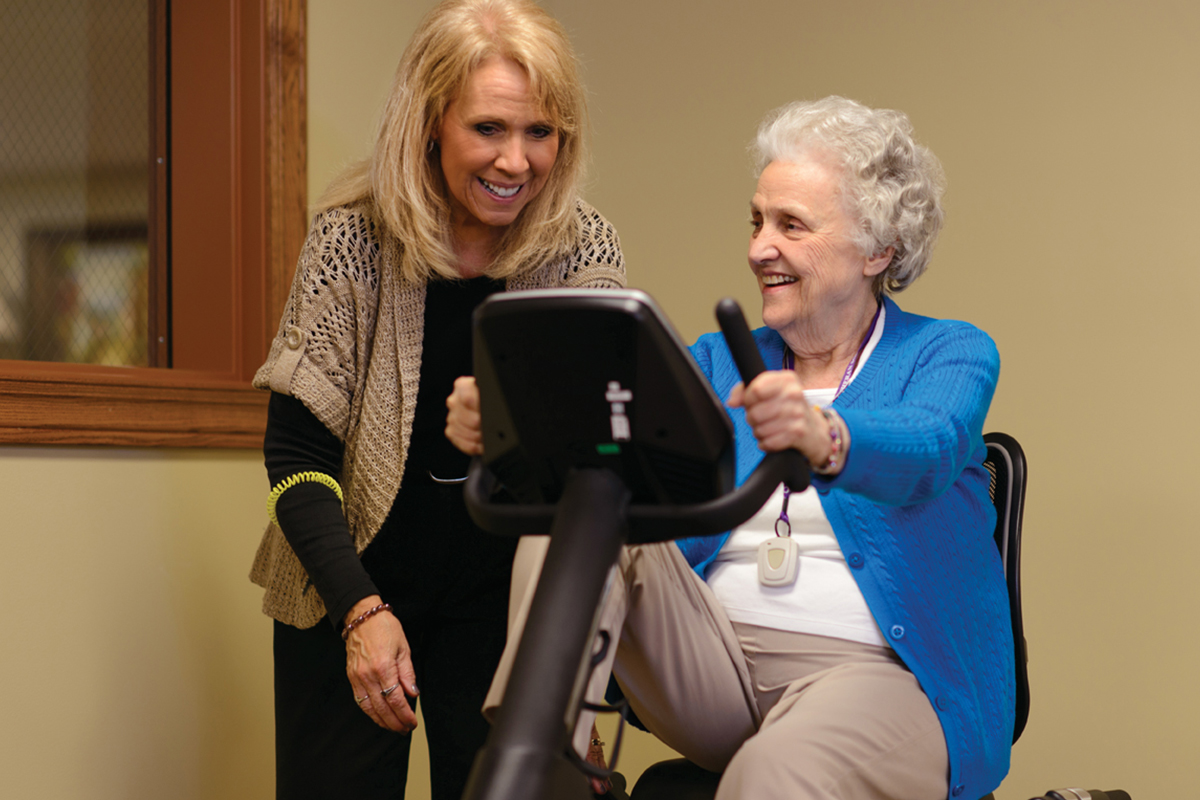
Physical and Mental Health Conditions
Assisted living is a wonderful option for seniors who need a bit of help with daily tasks but still want to maintain their independence. One of the key factors in determining if assisted living is right for your loved one is their physical and mental health.
Physical Health Conditions
Many seniors experience physical challenges as they age, such as arthritis, mobility issues, or chronic illnesses like diabetes or heart disease. Assisted living communities are designed to provide support for these conditions. They offer help with activities like bathing, dressing, and medication management, allowing residents to live more comfortably and safely. The goal is to reduce the strain of daily tasks so that seniors can focus on enjoying their lives.For example, assisted living might be a good fit for residents who could use help getting to and from the dining room for meals, or need support with medication management and administration.
Mental Health Conditions
Mental health is just as important as physical health when considering assisted living. Many communities are well-equipped to support residents with mild to moderate cognitive impairments, such as early-stage dementia or Alzheimer’s.These communities often provide specialized programs and activities that help keep residents engaged and connected. Such programs might include memory games, social activities, and routines that create a sense of stability and purpose.However, it’s crucial to assess the level of cognitive impairment carefully. While assisted living can accommodate many needs, more advanced stages of dementia will likely require the specialized support offered by memory care communities or nursing homes.By understanding the specific health needs of your loved one, you can better determine if assisted living is the right fit. This ensures they receive the appropriate level of support while maintaining as much independence as possible. 
Activities of Daily Living Limitations
Activities of daily living (ADLs) are the basic tasks essential for independent living, including bathing, dressing, eating, toileting, and moving around. Assessing a senior’s ability to perform these tasks is a crucial part of determining their eligibility for assisted living.
Understanding ADLs
ADLs encompass everyday tasks that most people take for granted. However, as we age, these tasks can become challenging. Assisted living communities are equipped to help residents with these activities — providing necessary support while encouraging independence.
Evaluating Limitations
When considering assisted living, an assessment of ADLs is typically conducted. This evaluation helps identify which tasks a senior needs help with and to what extent. For example, a senior might be able to dress themselves but need assistance with managing medications. Understanding these limitations helps assisted living teams create personalized support plans that are tailored to the resident’s specific needs.
Support Offered in Assisted Living
Assisted living communities provide various levels of support based on the ADL assessment. This might include:
- Personal Care Assistance: Help with bathing, dressing, grooming and toileting.
- Meal Services: Preparing and serving nutritious meals, and assisting with eating if necessary.
- Mobility Assistance: Helping residents move around the community safely, whether it’s transferring from a bed to a chair or providing transportation to appointments.
- Medication Management: Making sure that residents take their medications correctly and on time, which is especially important for managing chronic conditions or pain.
Enhancing Quality of Life
The support provided by assisted living communities aims to enhance residents’ quality of life. With employees handling daily tasks, residents have more time and energy to engage in social activities, pursue hobbies, and build relationships within the community. This balance of assistance and independence is key to the philosophy of assisted living, fostering a sense of dignity and well-being for each resident.
Financial Considerations
Someone’s eligibility can also depend on financial factors. The cost of assisted living varies widely depending on location, the level of assistance required, and the amenities offered by the community.On average, assisted living can range from $3,000 to $6,000 per month. This cost typically covers room and board, meals, personal care, and access to community amenities and activities. Some communities offer all-inclusive pricing, while others may have additional fees for specific services.
Financial Assistance Options
Fortunately, there are several options that can help families manage the costs of assisted living, such as:
- Private Funds: Many families use personal savings or investments to cover costs. This option provides flexibility but requires careful financial planning.
- Long-Term Care Insurance: These policies are specifically designed to cover long-term care expenses, including assisted living. It’s important to review the policy details to understand coverage limits and conditions.
- Medicaid: For those who qualify, Medicaid can help cover the cost of assisted living. However, eligibility and coverage vary by state, so it’s important to check the specific regulations in your area.
- Veterans Benefits: Veterans and their spouses may be eligible for financial assistance through programs like the Aid and Attendance benefit, which helps cover long-term costs, including assisted living.
Families can explore all available options and consult with financial advisors as they consider the quality support of their loved ones.
Explore Assisted Living Costs With Our Cost Calculator
Planning for assisted living can be challenging, especially when it comes to financial considerations. At StoryPoint Group, we understand that cost is a major factor in making the right choice for you or your loved one. Our easy-to-use Cost Calculator takes the guesswork out of the process, providing a personalized estimate based on your unique needs and preferences.

See The Costs Of
Senior Living Compared To Staying In Place
We created this senior living calculator to help you determine the costs of senior living compared to remaining in place.
Get StartedCompare The Costs Of Senior Living
To accurately estimate the cost of senior living, simply enter your monthly expenses in the field below.
To see an estimate of the cost of senior living, simply select the state and level of care you think is right for you or your loved one.
*The state average for the above expense has been added for your convenience. Update the value to reflect your current situation.
*The state average for the above expense has been added for your convenience. Update the value to reflect your current situation.
*The state average for the above expense has been added for your convenience. Update the value to reflect your current situation.
*The state average for the above expense has been added for your convenience. Update the value to reflect your current situation.
*The state average for the above expense has been added for your convenience. Update the value to reflect your current situation.
(Vehicle Insurance, Registration, Gas, Maintenance, And Repairs)
*The state average for the above expense has been added for your convenience. Update the value to reflect your current situation.
(The National Average Cost Is $3,360-5,760 Monthly*)
*The state average for the above expense has been added for your convenience. Update the value to reflect your current situation.
Your Results ?
We took the information you provided to calculate your current living expenses vs. the average costs of senior living. Here are your results.
Your current costs (based on the values you entered)
*This information is intended to aid in the evaluation and the decision-making process related to senior living alternatives. It is based on information and assumptions provided by you and information compiled from multiple accredited sources for comparison purposes. The calculations and comparisons provided should not be construed as financial, legal or tax advice. In addition, such information should not be relied upon as the only source of information.
Who May Not Meet the Requirements for Assisted Living?
While assisted living is a great fit for many seniors, it may not be suitable for everyone. Understanding the limitations of assisted living can help families determine if their loved one needs a different level of support.
Severe Memory Impairments
Assisted living communities can accommodate residents with mild to moderate cognitive impairments, such as early-stage dementia or Alzheimer’s. However, individuals with severe memory impairments often require more specialized support. Advanced stages of dementia may involve significant behavioral issues, which are better managed in a dedicated memory care unit or nursing home.
Extensive Medical Needs
Seniors with complex medical conditions that require continuous medical attention or frequent hospital visits may not be best suited for assisted living Conditions that necessitate round-the-clock nursing care are usually better managed in a skilled nursing community where professional medical staff is available 24/7.
Bedridden
Assisted living communities are designed to support residents who can move around independently or with minimal assistance. Individuals who are bedridden often require intensive care that exceeds the capabilities of assisted living facilities. Bedridden seniors need constant monitoring to prevent complications like bed sores and infections, which are better addressed in a nursing home setting with specialized medical equipment and staff.
Differences Between Assisted Living and Other Support Options
Assisted living bridges the gap between independent living and the more intensive support of a nursing home. It’s perfect for those who need a bit of help with daily tasks but still crave independence. Other options include:
- Independent Living: This living option offers maintenance-free living, restaurant-style dining, features, added amenities, and life enrichment opportunities for older adults, without the option for added support services. It’s best for seniors who are self-sufficient but want a community lifestyle.
- Enhanced Living: A living option with all the benefits of senior living plus the opportunity to add à la carte support services as needed. It offers some assistance but less than assisted living.
- Memory Care: Memory care is intentionally designed for those experiencing Alzheimer’s, dementia or other memory impairments.
How to Determine the Right Time for Assisted Living
Knowing when to turn to assisted living options isn’t always easy, but there are some common signs to watch for. Consider these factors to get an idea of when it may be time for you or a loved one to join a community:
- Difficulty managing medications
- Safety concerns due to falls or wandering
- Challenges in personal care (bathing, dressing, or eating)
- Increased isolation or depression
- Need for social interaction and community support
Choosing the Right Assisted Living Community
Choosing the right assisted living community is a big decision, but it can also be an exciting one! Look for a place that offers personalized assistance to meet your loved one’s needs and a variety of activities to keep them engaged and happy. Friendly, experienced employees create a warm and supportive environment, making it feel like home. Don’t forget to consider the location for convenience and understand the costs and financial options available to make the best choice.
Compassionate Support at StoryPoint Group Communities
Who qualifies for assisted living really depends on your individual situation. At StoryPoint Group communities, we embrace the uniqueness of each resident and provide personalized support that meets their specific needs. Our communities offer a warm, supportive environment where seniors can thrive.If you believe your loved one could benefit from the compassionate assistance provided by StoryPoint Group communities, we invite you to learn more about our senior living options. Schedule a tour of a community near you or contact us today to see how we can support your loved one’s journey.