
As our parents or loved ones get older, what used to be routine, everyday tasks can become more challenging. If that’s the case, they might start to need assistance with activities of daily living (ADLs) to get through their day.
However, it’s not always obvious when a senior needs more help. Keep reading our comprehensive guide and download the included checklists to learn how to assess your family member’s independence and to know if they may benefit from assistance.
An Introduction To Activities Of Daily Living
What are ADLs and IADLs? Both acronyms refer to the key activities that enable all of us to complete the necessary functions of life. ADLs stands for activities of daily living, and is typically used for more basic tasks, while IADLs refers to instrumental activities of daily living, which include more complex day-to-day functions.
What Are Activities Of Daily Living (ADLs)?
ADLs are fundamental skills necessary for daily independent living. Typically, these are picked up in early childhood. ADLs are sometimes called basic activities of daily living (BADLs).
ADL Examples
ADLs can be divided into six key categories:
- Ambulating: Walking or otherwise getting around, both indoors and outdoors.
- Personal hygiene: Daily activities that help to keep your body clean, and include bathing or showering, nail care and dental hygiene.
- Feeding: The ability to eat or drink without needing assistance.
- Transferring: Being able to move from one body position to another without needing assistance. Movements may include sitting, standing and getting out of bed.
- Dressing and grooming: Selecting appropriate clothes, putting them on and taking them off as needed.
- Continence and toileting: Control of bowel and bladder function, and the ability to use the toilet appropriately.
What Are Instrumental Activities Of Daily Living (IADLs)?
IADLs refer to the more complex tasks that are important in our day-to-day lives. These activities typically require more thinking and organizational skills, and are mostly picked up during our teenage years.Because performing IADLs requires more cognitive ability, it’s common for seniors to lose the ability to perform them when they start experiencing memory issues.
Examples Of IADLs
Key examples of IADLs include:
- Medication management: Ability to obtain medication and follow the prescription accurately.
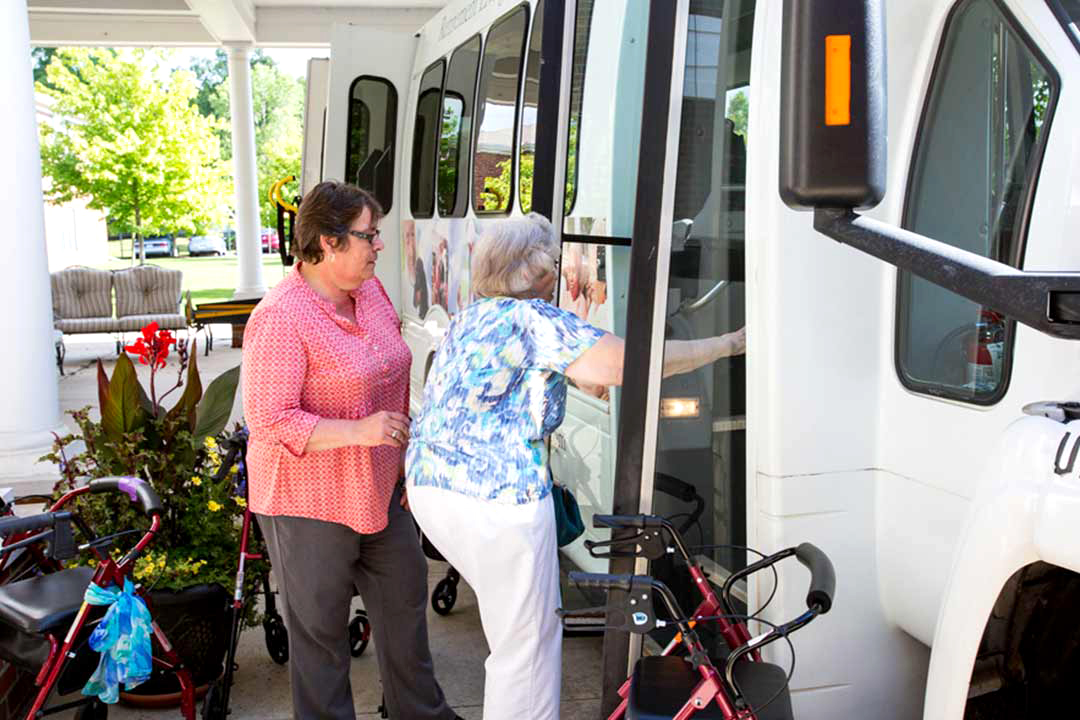
- Transportation: Getting around, either by driving or using public transport.
- Managing finances: Having control over one’s finances. Examples may include the ability to pay bills and operate within a budget.
- Housekeeping: Keeping a house in a clean and habitable state. Examples of housekeeping tasks include dishwashing, vacuuming, laundry and keeping up with home maintenance.
- Shopping and meal preparation: Being able to prepare meals appropriately, as well as shopping for clothing and other items required for daily life.
- Managing communication: Knowing how to operate communication devices, such as mobile phones, computers and other electronic devices, to stay in touch with friends and family.
Factors That Affect ADLs And IADLs
Many factors can influence the ability to function independently. Here are some key influencers that can affect your loved one’s ability to perform ADLs and IADLs:
- Physical health: Physical impairments such as sensory deficits and loss of mobility can affect an individual’s ability to perform ADLs and IADLs.
- Cognitive ability: Memory loss or memory-related illnesses can impact the decision-making skills required to perform IADLs.
- Mental well-being: Mental issues like depression and anxiety can impact your loved one’s ability to perform daily living activities.
- Assistive devices: For people with disabilities or reduced abilities, a lack of access to assistive devices, like wheelchairs, hearing aids and glasses, can limit their ability to perform daily tasks.
Activities Of Daily Living Checklists
As a caregiver, you can use the needs assessment charts below, in conjunction with a professional medical evaluation, to measure your family member’s ability to perform daily living activities. To assess your loved one, keenly observe how much help they need to complete each task and make notes accordingly.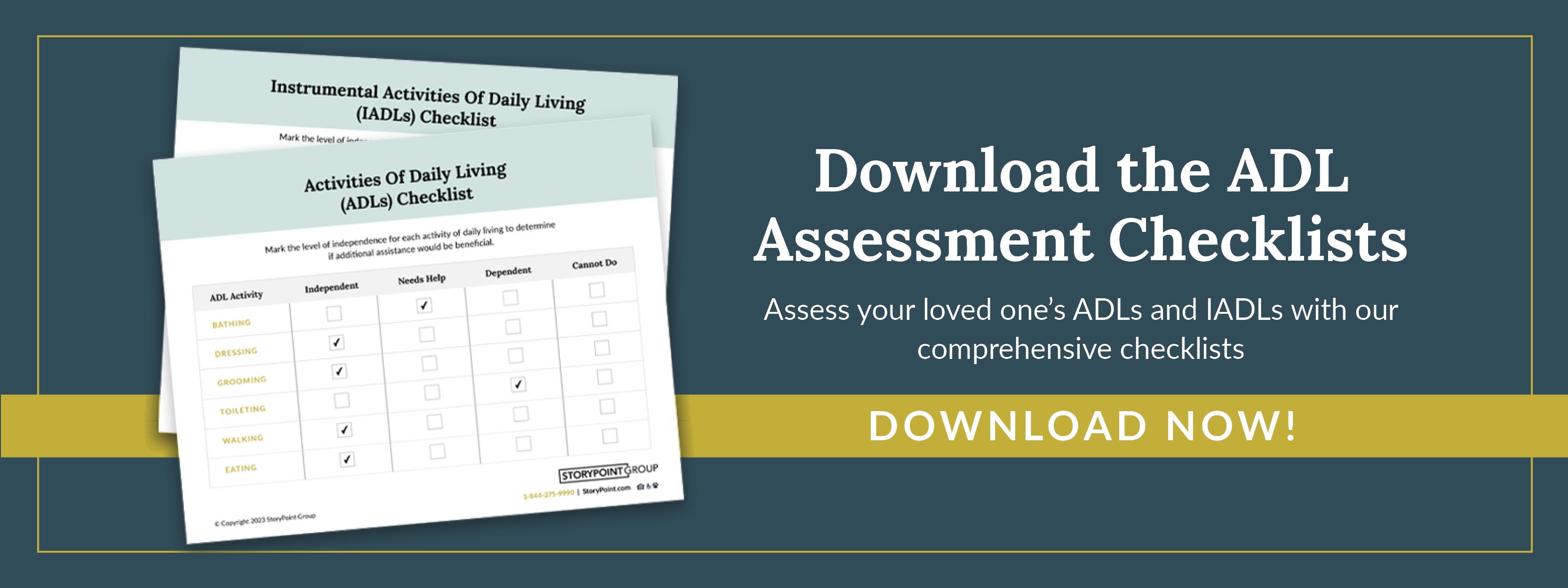
Strategies For Maintaining And Improving Independence
Here are some key strategies that can help keep or increase independence for seniors:
Exercise And Physical Activity
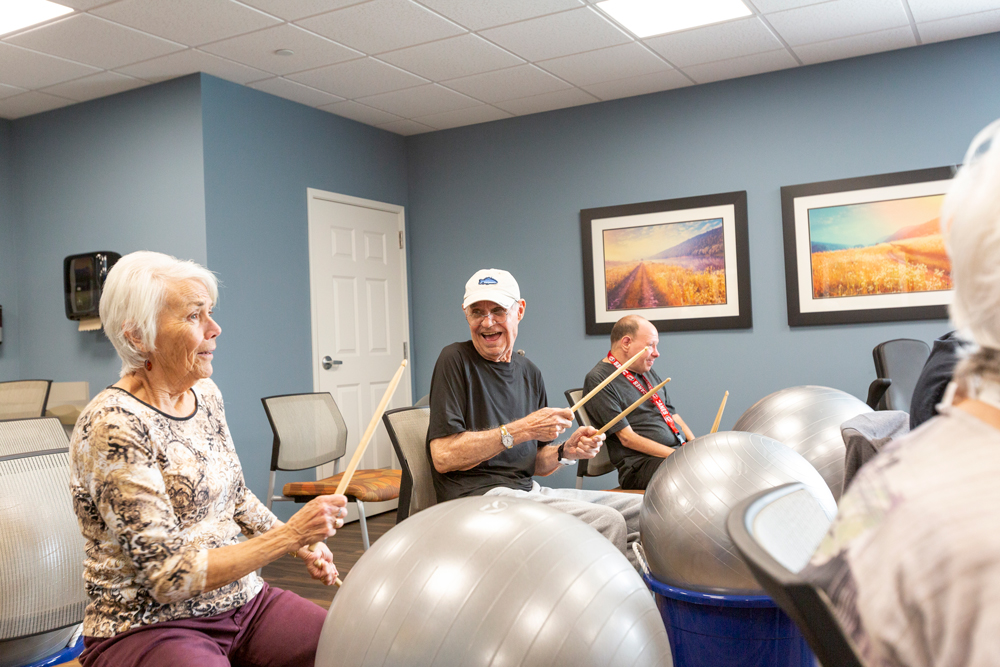
Engaging in physical exercise can improve muscle strength and balance. This may help to increase an individual’s ability to perform ADLs.
Assistive Devices
Devices such as walkers, wheelchairs and grab bars can help people with physical limitations perform daily living activities.
Home Modifications
Making necessary home modifications, like installing handrails or ramps, can improve accessibility and enable individuals to perform daily tasks without assistance.
Specialized Care
If your loved one needs help with ADLs and IADLs, you can consider seeking specialized care for:
- Physical therapy: If a family member is recovering from an injury or experiencing reduced mobility due to the natural effects of aging, seeking physical therapy can help to restore or maintain their independence.
- Occupational therapy: Working with an occupational therapist specializing in ADLs and IADLs can help preserve and improve the ability to function by providing individual compensatory strategies.
Challenges Older Loved Ones May Face With ADL Management
Here are some common challenges that older family members may face with daily living activities:
- Chronic health conditions: Chronic illnesses, like arthritis and stroke, can make it challenging for your loved one to perform daily activities.
- Physical limitations: The natural effects of aging, such as weaker muscles and reduced flexibility, can reduce one’s independence.
- Cognitive decline: Seniors may experience reduced cognitive function, which may affect the problem-solving and decision-making skills needed to carry out IADLs and some ADLs.
- Sensory impairment: If your loved one is experiencing sensory impairment, such as vision or hearing loss, they may face challenges getting through their day without assistance.
- Financial constraints: The lack of financial resources may limit a senior’s access to the assistive devices they require to perform daily tasks.

How Senior Living Supports ADLs Management
Most senior living communities have trained caregivers available to assist with ADLs and IADLs to help seniors get through their day more easily. Here are some key services offered in senior living to support ADL management:
- Personal care assistance: Trained caregivers assist residents with tasks like housekeeping, bathing and toileting.
- Medication management: Some senior living options provide employees who administer medication.
- Meal preparation: Most communities provide three nutritious meals every day, helping eliminate the need to cook.
- Housekeeping and laundry: On-site employees take care of housekeeping and laundry.
- Transportation services: Most senior communities offer transportation services to help residents get around.
- Rehabilitation services: Some communities offer on-site rehabilitation services, such as speech and physical therapy, to help seniors regain or maintain independence.
Partnering With CorsoCare To Serve Seniors
CorsoCare, a preferred third-party provider of StoryPoint Group, offers seniors more than high-quality care services — seniors also gain a dedicated partner in their health journey.Whether seniors need expert medical support at home, compassionate end-of-life care, or assistance with daily activities, CorsoCare provides personalized, compassionate care to enhance the quality of life at every stage.Click here for additional resources and to learn more about CorsoCare.