It can be very challenging to watch someone you love struggle with a memory condition like Alzheimer’s or dementia. While it’s natural to want to support your loved one for as long as possible, as their condition progresses, it may get increasingly difficult to meet their needs at home.
If you find yourself in that situation, you may consider specialized support services. A memory care community can bring comfort and relief for both you and your aging parent. Still, moving a loved one into senior living is never an easy decision, and it’s normal to have questions or concerns about whether it’s the right next step.In this blog, we’ll help uncover what to expect from a memory care community and how to determine if it’s the best choice for someone you love.
What Is Memory Care?
Memory care is a specialized form of support designed to meet the unique needs of individuals living with cognitive challenges, including Alzheimer’s and other forms of dementia.In addition to assistance with activities of daily living (ADLs), memory care communities typically offer a secure, home-like environment, structured activities and programs, 24/7 supervision, and more, to help address the specific needs and challenges of people with memory-related conditions.
What Does a Memory Care Community Provide
Families often ask, “What does memory care consist of?” or “What does a memory care community do?”While each community is unique, here’s what you can typically expect from a memory care community:
Secure Environment
Some symptoms of dementia, like wandering away from safe locations and confusion, can make it challenging or even unsafe for someone with a memory condition to continue living independently at home.Most memory care neighborhoods are designed with clear, open spaces to allow residents to move around safely and comfortably. Further, many communities include a host of built-in features intended to enhance resident safety, including:
- Large floor-to-ceiling windows to allow natural light in and help reduce anxiety or disorientation
- Controlled entry and exit points
- Secure outdoor areas to reduce the risk of wandering
- Safety features like grab bars and handrails to help individuals move around more safely and comfortably
- Emergency call systems
- Fall alert systems
Personalized Support Services
It’s normal for people living with dementia or other memory conditions to need additional support as their condition progresses. Employees in a memory care neighborhood are typically trained to recognize and support the unique needs of residents with cognitive challenges. You’ll find specially trained caregivers and professionals who coordinate various caregiving duties to meet each resident’s physical, emotional, and cognitive needs according to their care plan.Here’s what you can typically expect from a memory care community:
- Round-the-clock support and supervision
- Help with activities of daily living (ADLs), like bathing, feeding, and transferring
- Flexible culinary options to accommodate residents with special dietary needs
- Assistance with taking medications and refilling prescriptions
- Personal laundry and housekeeping services
Familiar Daily Routine
Research strongly indicates that maintaining a familiar daily routine can provide a sense of comfort and help combat symptoms like confusion and disorientation for people living with cognitive impairments like Alzheimer’s or dementia.For this reason, everyday routines — like waking up and going to bed, meals, personal care, and recreational activities — are usually planned around the same time each day to help residents keep a stable and consistent routine.
Planned Activities and Programs
Most memory care communities also offer many activities and programs designed to stimulate cognitive function and encourage socialization. These activity sessions are usually led by trained professionals to help ensure everyone can participate, regardless of their abilities. And, most are typically held in group settings, giving residents plenty of opportunities to connect with others.Here’s an overview of activities and programs to expect from a memory care community:
- Guided arts and crafts sessions
- Exercise classes
- Gardening activities
- Brain games, like puzzles and crosswords
- Sensory stimulation activities
- Movie or music nights
Health Care Access
In some cases, memory challenges may be accompanied by other health conditions that come with age, including arthritis, diabetes, or heart disease. Many communities have medical professionals on hand, including registered nurses, physicians, and therapists, or they partner with outside providers to offer on-site access to specialized medical services for residents with different health care needs.Here’s what to expect from a memory care community when it comes to health care access:
- Regular health monitoring
- Assistance with pain and symptom management
- On-site therapy services
- Help managing chronic conditions
- Reliable transportation to off-site medical appointments
- Coordination with outside health care providers, including specialists and hospitals
Family Involvement
Even if your family member is in good hands, it’s still important to continue showing your love and support. Many communities offer ways for families to stay involved in their loved one’s care, including:
- Flexible visitation hours
- Family events and celebrations
- Support groups for families and caregivers
- Regular updates from the care team
- Family newsletters or online portals with community updates and activity calendars
A Day in the Life of a Memory Care Resident
Even after learning what to expect in memory care, it’s natural to wonder what daily life will be like for your loved one.Here’s a sample routine to give you a clearer picture:
| Time | Activity |
|---|---|
| 7:00 – 8:00 a.m. | Help transferring from bed, assistance with personal care (bathing, dressing, grooming) |
| 8:00 – 9:00 a.m. | Breakfast in a shared dining area. Caregivers may assist with feeding. |
| 9:00 – 11:00 a.m. | Morning activities, like guided exercise, gardening, or arts and crafts sessions |
| 11:00 a.m. – 12:00 p.m. | Cognitive stimulation activities, including puzzles, various therapies, brain games, or group discussions |
| 12:00 – 1:00 p.m. | Lunch, with flexible culinary options for people with special dietary need |
| 1:00 – 2:00 p.m. | Rest or quiet time in residents’ rooms or common areas |
| 2:00 – 4:00 p.m. | Afternoon activities, including music sessions, storytelling, or light physical activities |
| 4:00 – 5:00 p.m. | Snack and social time with peers and caregivers |
| 5:00 – 6:00 p.m. | Dinner, served with support if needed |
| 6:00 – 8:00 p.m. | Evening programs like movie nights, games, or small group gatherings |
| 8:00 – 9:00 p.m. | Bedtime routine, including assistance with personal care and preparing for sleep |
Comparing Memory Care to Other Care Options
While memory care can be the ideal solution for many seniors and their families, it’s essential to learn about the other support services available to you and your family member.Here are some key options you may encounter:
| Care Option | What It Provides | Who It's Best For |
|---|---|---|
| Memory Care | Specialized support for people with Alzheimer’s or other cognitive impairments; structured daily routine; trained employees who know how to support residents’ cognitive and behavioral challenges; secure environment | Someone with moderate to severe memory or cognitive impairments who needs 24/7 support |
| Assisted Living | Support with activities of daily living (ADLs) (bathing, dressing, medication reminders); social activities; meals provided | People who need some help with their daily routine but are mostly independent |
| Nursing Homes and Skilled Nursing | 24/7 medical care, nursing supervision, rehabilitation services, assistance with activities of daily living (ADLs) | Individuals with complex medical needs or who require long-term nursing care |
| Dementia-Specific Care Units | Programs tailored to people with dementia, including structured routines and specialized therapies | Persons with cognitive impairments who may not need full memory care support |
| In-Home Care | Personal care, help with meals, medication reminders, companionship, and housekeeping. | Seniors who wish to continue living in their current home while receiving necessary support |
How to Know if Memory Care Is Right for Your Loved One
Recognizing when it might be time for memory care isn’t always easy. The signs can be gradual, and sometimes your family member may not see — or want to acknowledge — that they need extra help. This can be a frustrating experience for both you and your loved one.While every individual’s journey with cognitive impairment is unique, here are some key signs that it may be time to consider memory care:
- Increased Confusion or Disorientation: As an individual’s cognitive skills decline, it may start to affect their day-to-day life. You might notice Mom having a hard time recalling family details, or perhaps Dad having trouble recalling something you just talked about. At this stage in your loved one’s journey, memory care might be worth considering.
- Frequent Wandering or Restlessness: Individuals with memory conditions like Alzheimer’s disease or other forms of dementia may start to get lost in familiar places or wander away from home, which can pose a risk to their safety and well-being. This can be another sign that someone could benefit from memory care.
- Difficulty With Daily Routine: In the later stages, memory conditions can make it difficult for a person to perform certain tasks. If your loved one is struggling with daily routines or activities of daily living (ADLs) due to cognitive challenges, a memory care community could help support their needs.
- Changes in Behavior or Mood: As your loved one’s condition progresses, you may notice signs of withdrawal, irritability, anxiety, or depression. Sometimes, these changes can make it hard to support your loved one at home, even with your best effort. Memory care employees are well-trained and equipped to provide the best support for the unique needs of a person with cognitive impairment.
- Declining Physical Health: If a family member’s memory condition starts affecting their overall health, it may be time to consider seeking additional support, such as a memory care community.
- Caregiver Burnout: While it’s natural to want to show your love and support, caring for a loved one with cognitive impairment can take a toll on even the most experienced caregivers. If you or other family members struggle to fully meet your parent’s changing needs, it may be time to consider professional support.
Transitioning Into a Memory Care Community
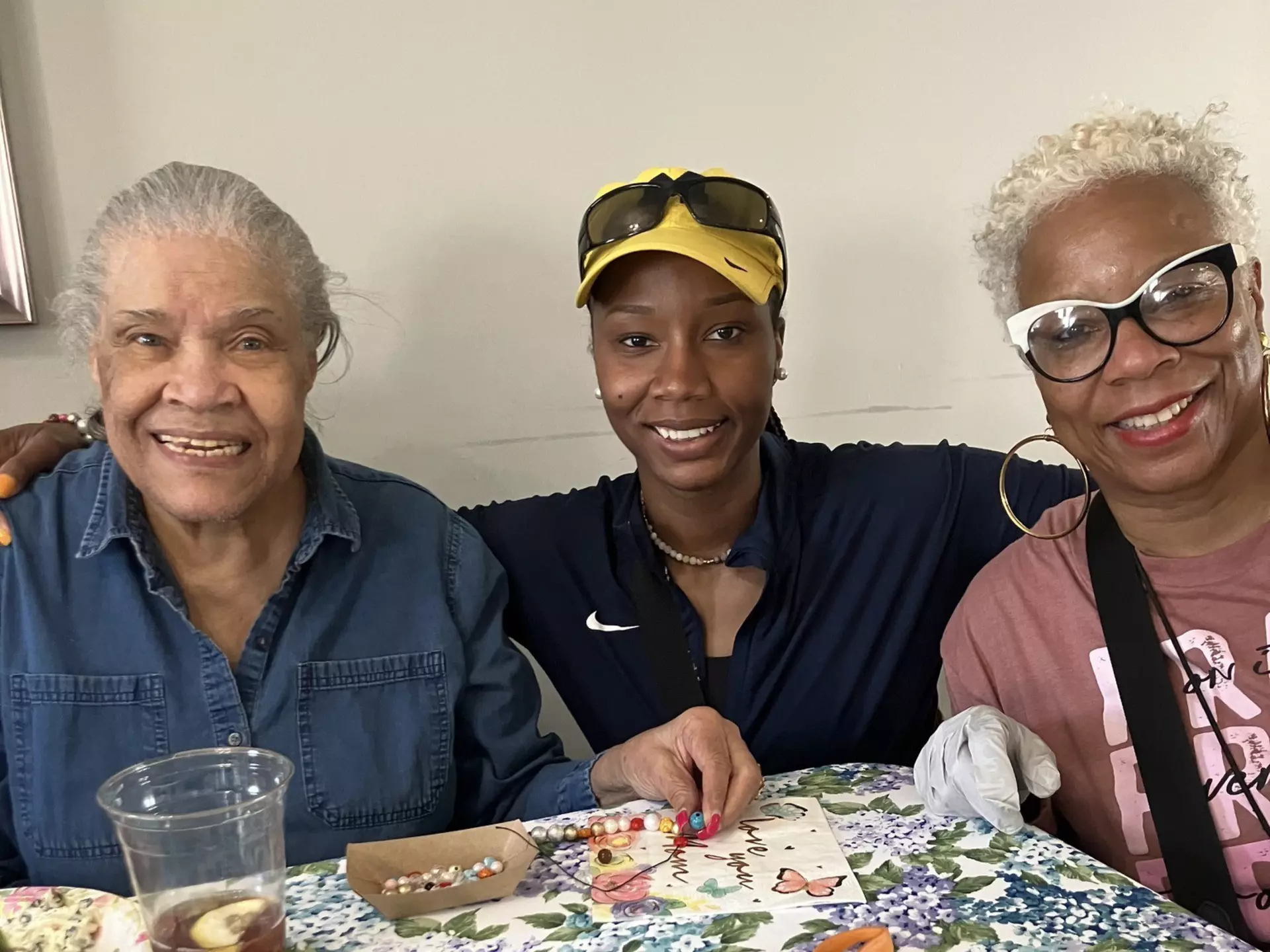
Even when you know what to expect from a memory care community, making the move can still be an emotional process for both you and your parent. It’s normal to feel a mix of relief, guilt, sadness, and even hope all at once. You might wonder if they’ll feel comfortable or if they’ll understand why the change is happening.Your loved one may also feel uncertain about leaving home and adjusting to a new routine. It can take time for both of you to find your footing — and that’s perfectly okay.Here are a few practical tips to help make the transition a little smoother:
- Tour the Community Together: Visiting the community before move-in day can make the first few days less overwhelming. Get to know the caregivers and share a meal or participate in an activity with your loved one.
- Personalize Their New Space: Consider bringing along a few of your family member’s favorite items, like family photos, favorite furniture, or familiar decorations. Adding these personal touches can go a long way in making them feel at home in their new space.
- Communicate Openly With Caregivers: It might also help to inform caregivers about your loved one’s routines and preferences, like how they take their tea, what songs make them feel calm, or what time they usually go to bed. Small details can make a significant difference in your loved one’s day-to-day life.
- Try to Remain Patient: It’s normal for new residents to take days or even weeks to get used to their new home, and that’s okay. Try to remain patient and give both yourself and your loved one time to adjust.
- Stay Involved: After the move, consider visiting your family member as often as you can. You may also use video calling apps to check in regularly to see how they’re doing.

StoryPoint Group Communities: Here for You and Your Loved One
At StoryPoint Group communities, we recognize the challenges families face in finding the best support for their loved ones’ unique needs. Please know you are not alone. We are here to help guide you and your parent every step of the way.If someone you care about could benefit from additional assistance, including memory care services, we’d love to be part of their journey.To learn more about life with us, contact us or schedule a tour at your nearby StoryPoint Group community.