For many, retirement opens up a fresh and exciting chapter of life, but it may also come with unique health and lifestyle changes. Which means, you may need to reconsider where you want to live in your later years.
Retirement communities and senior living communities offer a broad range of amenities and services to help enhance the lifestyle and well-being of residents, making them a popular choice for many older adults. That said, choosing a retirement community that feels right for you or someone you love is a major life decision, and it’s okay to feel unsure about where to start.In this blog, we’ve put together a comprehensive guide to choosing a senior living community to help guide you in your search.
Types of Retirement Communities
As you begin to explore retirement communities, it might help to understand the many choices available to you. Here are a few options you may encounter during your search:
Active Adult Communities (55 Plus Communities)
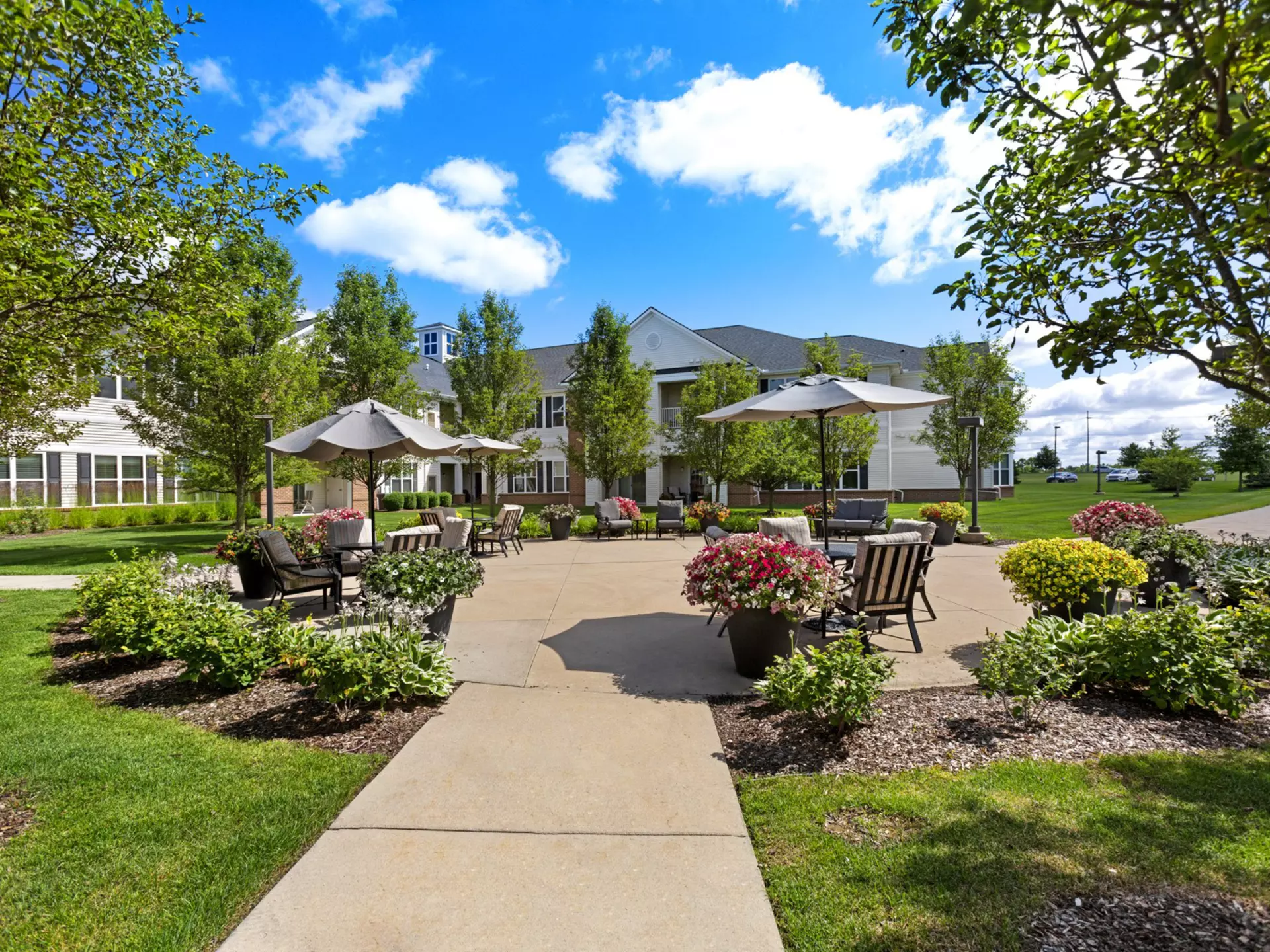
Active adult communities, or 55 plus communities, are ideal for retirees who want to enjoy a relaxed, low-maintenance lifestyle. Accommodation options usually include single-family homes, townhomes, condos, cottages, or apartments. Many active adult communities provide access to a range of amenities to enrich the lives of residents, like walking trails, swimming pools, clubhouses, fitness centers, and golf courses.
Independent Living
Independent living communities are designed for seniors who want to enjoy retirement in a loving and supportive community. Most of these communities offer a variety of housing options and floor plans to accommodate different preferences and lifestyle needs. Many independent living communities either have or are located near a range of convenient services and amenities like beauty salons, fitness centers, and transportation options. They make residents’ lives a lot more comfortable. In addition, daily chores like meal preparation, laundry, and housekeeping are taken care of, so residents can spend more time doing what they love. There are also plenty of planned activities and programs to help with finding new friends.
Continuing Care Retirement Communities (CCRCs)
Also known as life plan communities, CCRCs offer a comprehensive range of support services — including independent living, assisted living, or skilled nursing — in one community. This option allows individuals and their families to adjust the level of support as their needs progress. A continuing care retirement community can be a smart choice for individuals who don’t want to worry about moving to a different community if their health needs change in the future. But definitely pay attention to the details, because they come with other drawbacks, particularly price.
Assisted Living
Assisted living communities are good for older adults who need a little more help with their daily routines. In these communities, residents usually live in private or semi-private apartments with access to shared areas and 24/7 caregiver support. Alongside receiving assistance with activities of daily living (ADLs) — like eating, bathing, or shopping for groceries — residents may also enjoy healthy and delicious meals and snacks, fun-filled activities and events, and plenty of opportunities to make new friends. 
What to Look for in a Retirement Community
While retirement communities are designed with older adults in mind, each community is unique, and retirement can look a little different for everyone. When choosing a senior living community, the key is to prioritize the things that matter most to you or your family member. Here are some things to look for in a retirement community:
Level of Assistance Needed
Think about the level of assistance that you or your loved one needs. While all retirement communities are designed with older adults in mind, it’s important to choose one that will best meet your specific needs.
Location
Location is another key factor. Being closer to friends and loved ones can make visits easier. You’ll also want to consider the community’s proximity to important amenities, like hospitals, shopping centers, or places you enjoy visiting. StoryPoint Group offers a location finder tool that can help you find a loving and supportive community near you.
Socialization Opportunities
If meeting new people is important to you, look for a community that offers lots of opportunities to socialize with other residents. This might include group outings, fitness classes, game nights, or hobby clubs.
Amenities and Services
Many retirement communities offer a wide range of helpful features to make life easier and more enjoyable. When narrowing down your options, make a list of what matters most to you or your loved one, and see which communities offer those features.

Dining Options
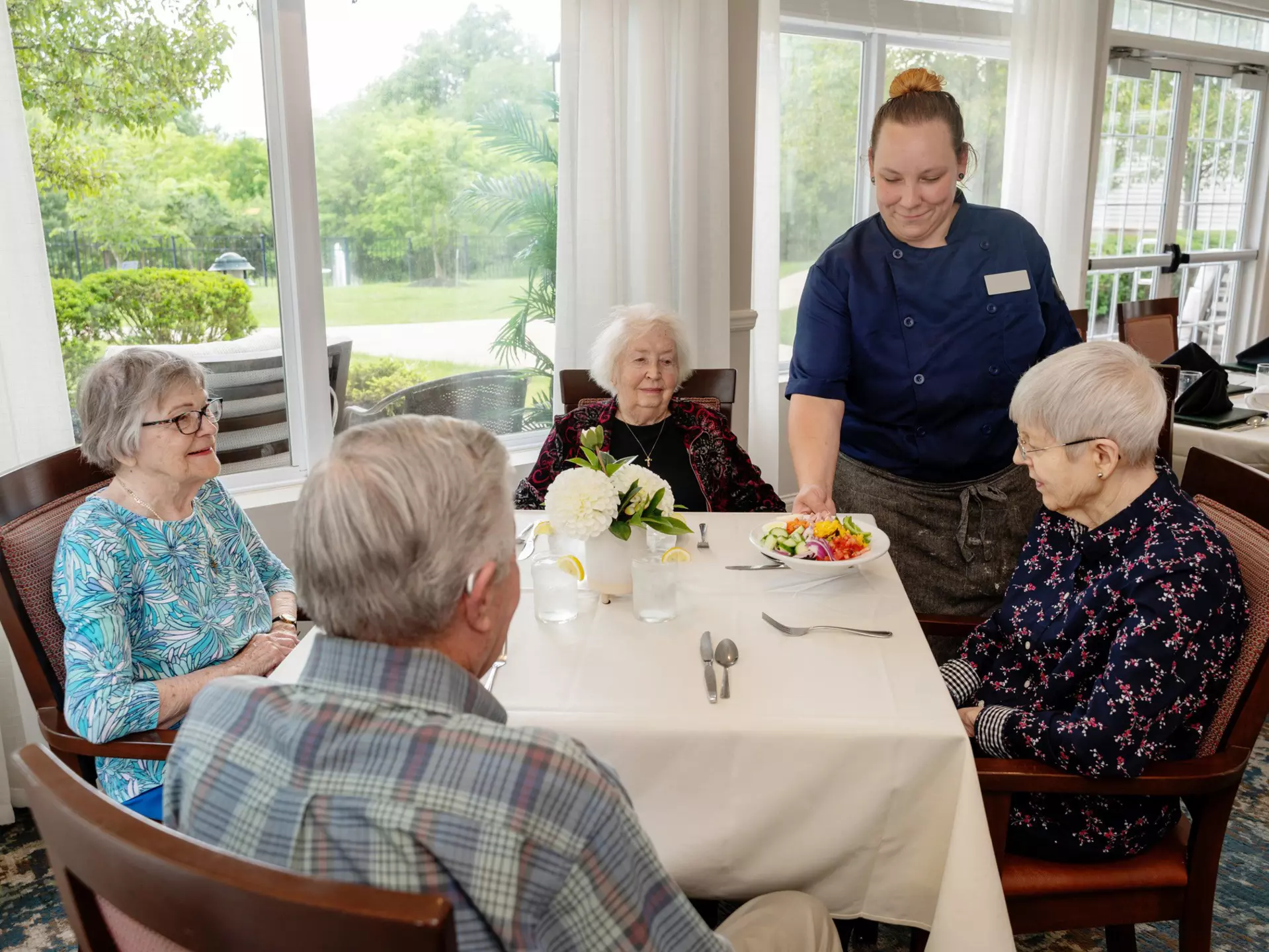
Most communities provide great meals and snacks, but it’s still a good idea to try the food yourself. If you or your loved one have special dietary needs, be sure to ask how those are handled.
Enrichment Activities
When looking at potential options, it’s important to find out if they offer ways for residents to stay mentally and physically active. These can include fitness classes, arts and crafts, brain-healthy games, and more.
Safety and Security
Whether you’re considering a retirement community for yourself or someone you love, safety is likely a top priority. During your tour, ask about how they handle emergency situations and find out what measures they have in place to help protect residents.
Community Atmosphere
Often, the best way to find a community that feels right for you is by visiting in person. Before making a decision, plan tours of a few promising options. Take the time to explore the living spaces, talk with other residents, and, if possible, try the food. This is also a great opportunity to ask employees any important questions you may have.
Technology and Innovation
Many communities are using technology to help better the lives of residents. This can include tech-assisted mobility aids, safety features like fall detection systems, health monitoring tools, and more. If these features are important to you, be sure to ask about them during your tour. 
How to Choose the Right Retirement Community
Choosing a retirement community or senior living community can feel overwhelming for many individuals and their families. If you’re feeling uncertain about where to begin, here’s a step-by-step guide to picking a retirement home:
1. Assess Needs: Start by thinking about your health and lifestyle needs. Do you or your loved one need help with daily tasks? Are there specific amenities that matter to you? Do you need regular medical support? Knowing what kind of support is needed can help you choose the appropriate community for your specific circumstances.
2. Research Options in Your Area: Next, research some options in your desired location. A quick online search is a good place to start. Look up different communities and visit their websites to get a sense of the services and amenities they offer. You can also ask friends, neighbors, or your doctor if they know of any good communities. Find out what accommodation options they offer, the monthly costs and what’s included, as well as available payment options.
To help you compare your options, here’s an overview of the average costs of different types of retirement communities. Keep in mind that the cost of each community can vary depending on key factors such as location, services and amenities offered, and accommodation options.
| Type of Community | Average Monthly Cost |
|---|---|
| Active Adult Communities | $4,300-$6,000 |
| Independent Living Communities | $4,000-$6,000 |
| CCRCs (Continuing Care Retirement Communities) | $2,000-$4,000 (entry fees can range from $40,000 to more than $2 million) |
| Assisted Living Communities | $4,500 |
3. Schedule Tours: Consider touring some options that seem appealing to you or your family member. While community employees are often happy to answer any questions you may have, it’s always a good idea to schedule an in-person tour. During your tour, try the food and pay attention to the employees and how they interact with other residents; this can help you get a better feel for what to expect. After narrowing down your options, choose the retirement community that truly feels right for you or your loved one.
4. Plan for the Move: Transitioning into a retirement community can be an emotional and stressful process, so it’s important to plan ahead. If you plan to downsize, set aside enough time to organize and pack your belongings. You can reach out to friends and relatives for assistance if needed.
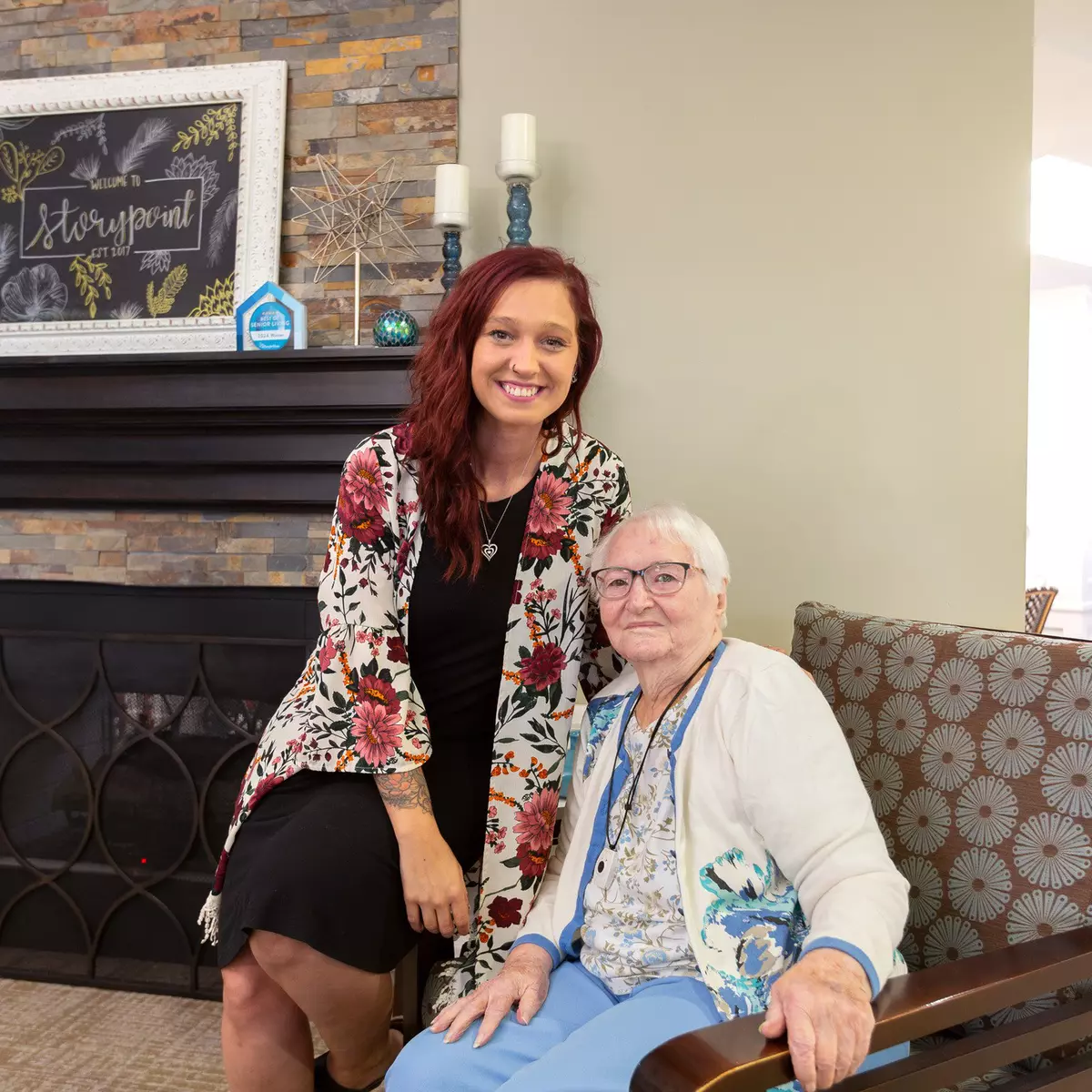
5. Settle In: Getting used to your new home may take a little time, and that’s perfectly okay. Try chatting with a few neighbors or joining in on community activities and events. Making new friends can help the transition feel a bit easier for you or your loved one. It also helps to talk to the employees and get to know them — they’re usually more than happy to answer questions and show you around.
Common Mistakes to Avoid
Choosing a retirement community for yourself or a loved one is never easy. That said, there are a few common mistakes that can make the experience more stressful than it needs to be.Here are some potential things to avoid during your search:
- Overlooking the Financial Aspect: Living in a retirement community comes with costs that can add up over time. It’s usually a good idea to plan for these expenses early on. Your financial advisor can help you organize your resources, explore long-term care insurance, and find payment options that fit your specific situation.
- Ignoring Potential Health Changes: It’s likely that your support needs may change later in retirement. When choosing a retirement community, try to find one that not only meets your current needs but can also adapt if those needs progress in the future. Planning ahead can help you avoid another move later on.
- Not Scheduling a Tour: While brochures and websites can be helpful, organizing a tour will give you a much better sense of what daily life is really like in a community. You can see the various apartment floor plans and styles, try the food, and observe how employees interact with residents before deciding if the community truly feels like a good fit.
- Ignoring the Fine Print: Before moving into a retirement community, you’ll likely need to review and sign some paperwork. However, contracts can be long and complicated for many older adults — and it’s easy to miss out on important details. Before committing, it’s always a great idea to carefully read through the paperwork. If anything is unclear, don’t hesitate to ask questions or bring in a legal expert to help explain it. Some retirement communities may have hidden fees that could add up over time. Be sure to carefully review the fee structure and ask employees about any costs that aren’t immediately clear to you.
- Making Hasty Decisions: It’s natural to want answers quickly, especially when you’re feeling overwhelmed. However, choosing a retirement community is a big life decision, and it’s important to take your time. Do your research, ask important questions, and seek advice from trusted friends or professionals if needed.
Frequently Asked Questions
Senior Living With StoryPoint Group Communities
At StoryPoint Group communities, our residents’ needs are at the heart of everything we do. Whether you’re looking for a relaxed lifestyle with convenient access to amenities and plenty of opportunities to socialize, need some extra help with activities of daily living (ADLs), or simply want a welcoming place to call home, our goal is to help you make the most of every day.To learn more about life with us or just to say hello, feel free to contact us or give us a call at 1-844-275-9990.