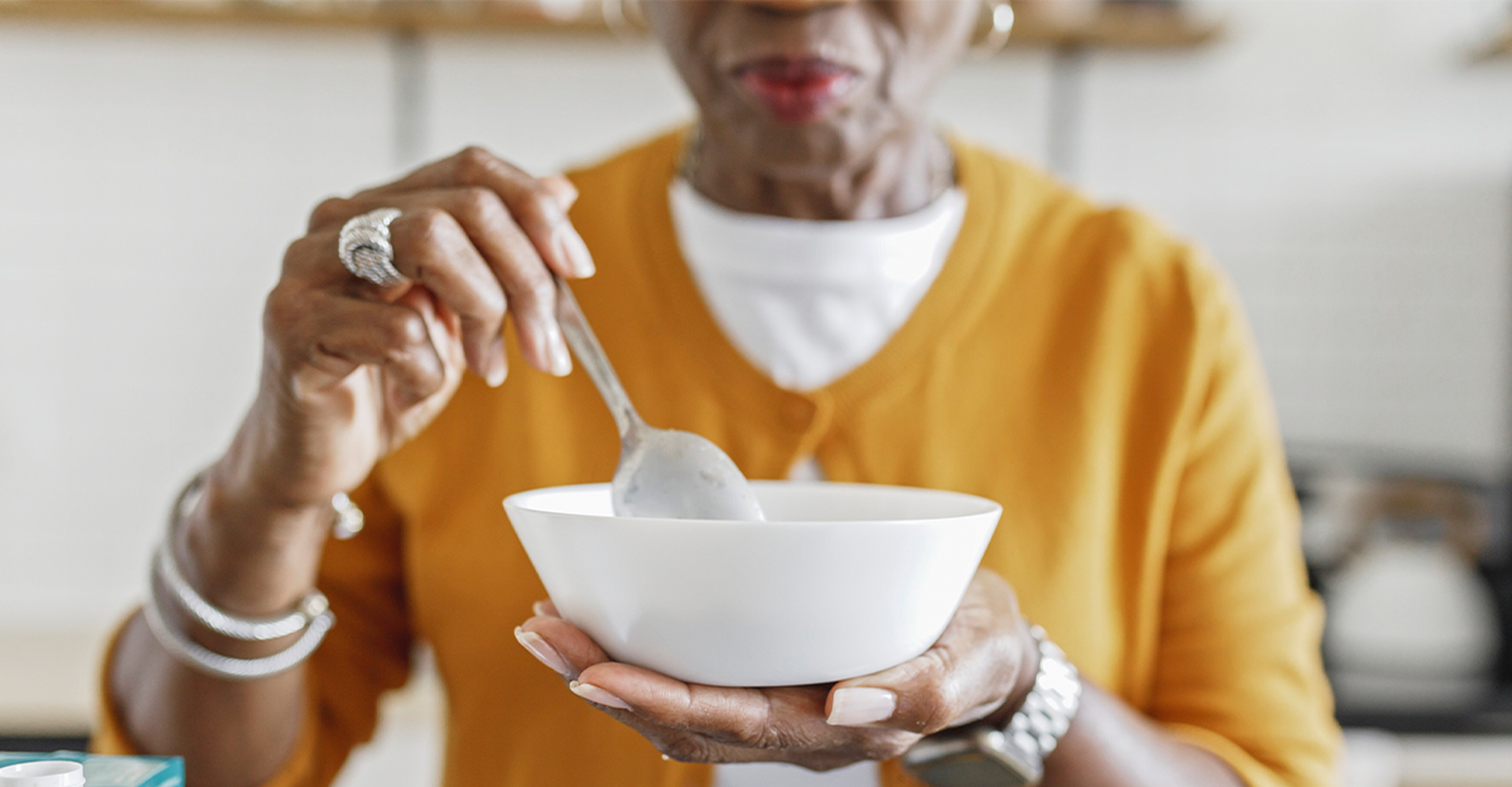

Proper nutrition is a key part of healthy aging. While your body may no longer need as much energy as it used to, it’s still important to prioritize eating foods that support good health and help keep you energized throughout your day.
That said, eating healthy doesn’t necessarily mean giving up your favorite snacks or eating boring meals. Even small changes to your diet can make a big difference over time. In this blog, we share 18 of the best energy foods for seniors and how to incorporate them into your diet.
Why Seniors Lose Energy
It’s not just you — many older adults find they don’t have quite as much energy as they used to. That’s completely normal, and there are a few common reasons this tends to happen with age, including:
- Lower Metabolism: As we get older, our metabolism naturally slows down. This means our bodies don’t turn food into energy as quickly as they used to. Because of this, it’s common for seniors to feel tired more often or not have as much energy during the day.
- Moving Less: Most older adults generally move around less than they used to. When we don’t stay active, our muscles can slowly get weaker, which can lead to a drop in energy over time.
- Not Getting the Right Nutrients: As we get older, it’s normal for our appetites to decrease. This can be caused by changes in metabolism, medications, or even the natural aging process. Losing interest in food or not feeling hungry can lead to missing out on important nutrients needed for overall health and well-being.
- Health Conditions: Certain health conditions, like diabetes, heart issues, or arthritis, can affect a person’s energy levels.
- Poor Sleep Quality: Some seniors may have difficulty getting restful sleep at night. They might wake up often or sleep fewer hours, leaving them feeling weak and tired during the day.
- Medication: Certain medications might cause fatigue and drowsiness in older adults. If you suspect a medication you’re taking has such side effects, it’s a good idea to speak with your doctor.

What Nutrients Boost Energy?
Our bodies need certain nutrients to stay energized and strong. If you’ve been feeling a bit more tired than usual, the food you eat could be part of the reason.Nutrients can be grouped into:
Macronutrients
These are the vital nutrients your body needs in large amounts to stay energized and support important functions. While your metabolism may have slowed down, it’s still important to meet your body’s daily macronutrient requirements.A few examples of macronutrients include:
- Complex Carbohydrates: Complex carbohydrates, found in natural foods like whole grains, fruits, and vegetables, can help you feel full of energy throughout your day. However, you should avoid processed carbs like white bread and sugary cereals, as they usually offer low nutritional value and may even be bad for your health.
- Lean Protein: Muscles are important for numerous bodily functions, including breathing, circulation, and carrying out everyday activities. Eating a diet rich in lean protein may help older adults build and maintain muscle mass, which is essential for performing activities of daily living (ADLs).
- Healthy Fats: Healthy fats play an important role in helping absorb essential vitamins, maintaining energy, and supporting good heart and brain health. It’s a good idea to limit unhealthy fats in your diet, as these have been strongly linked to health conditions such as heart disease and diabetes.
Micronutrients
Micronutrients are important vitamins and minerals that help support many body functions. However, as we age, our bodies may start to become less efficient at absorbing and making use of some micronutrients. In some cases, this may result in health problems, such as anemia, bone loss, or a weakened immune system.As such, it’s important for older adults to ensure they get enough micronutrients. Some common examples include:
- B Vitamins: Besides boosting energy, increasing your intake of foods loaded with B vitamins can help promote good heart and brain health.
- Iron: Iron helps the blood transport oxygen throughout the body; not having enough of it can make individuals feel weak or tired throughout the day.
- Magnesium: Magnesium is known to help improve sleep, which is important for your health and overall well-being.
- Vitamin D: Vitamin D is good for strong bones and teeth, boosting the immune system, and more.

The Best Energy Foods for Seniors
Adding foods loaded with important vitamins and nutrients to your diet can make a big difference in how you feel throughout your day.Here’s a look at some of the best energy foods for seniors:
Fruits
Fruits are one of the best energy foods for seniors. They’re packed with natural sugars, making them a healthy way to get a quick energy boost. You can eat fruits whole, blend them into smoothies, or mix them into yogurt or oatmeal.Here are a few great options:
- Bananas: Bananas are loaded with potassium, a micronutrient that is vital for supporting muscle function. They also contain plenty of fiber, which can help with digestion and relieve constipation.
- Berries: Fruits like strawberries and blueberries are rich in antioxidants, particularly anthocyanins, which may help reduce inflammation and promote good heart health.
- Oranges: Oranges are one of the best natural sources of vitamin C, which can help your body fight off infections and illnesses.
Vegetables
Vegetables are known to have plenty of important vitamins, minerals, and fiber that can provide long-lasting energy.Some good options include:
- Spinach: Leafy greens like spinach are high in iron, which supports healthy blood circulation.
- Sweet Potatoes: Sweet potatoes are a potent source of complex carbohydrates, which can help provide your body with steady energy throughout the day.
- Carrots: Carrots contain high amounts of vitamin A, which can help improve your vision, support the immune system, and boost overall health as we age.
Whole Grains
Whole grains are a great source of complex carbohydrates. They’re also high in fiber, which is great for digestion.Here are some whole grains you can try:
- Oatmeal: Oatmeal contains lots of soluble fiber, particularly beta-glucan, which may help lower cholesterol levels.
- Brown Rice: Brown rice contains a high amount of antioxidants and magnesium, which may help reduce inflammation and support heart health.
- Quinoa: In addition to keeping you energized for hours, quinoa contains essential amino acids, making it perfect for muscle health.
Dairy
Dairy products are rich in essential nutrients, including calcium, protein, vitamin D, and phosphorus, that are great for maintaining strong bones and muscles.Some great options are:
- Milk: Milk is packed with plenty of calcium and vitamin D, which are excellent for bone health.
- Cheese: Cheese is loaded with protein and healthy fats that may help support muscle function and heart health.
- Yogurt: Yogurt is a great source of protein, calcium, and probiotics, which help seniors improve muscle mass, bone health, and digestive function.
Lean Protein
Eating lean protein can help older adults maintain muscle mass and support healthy metabolism.Some excellent sources of lean protein include:
- Chicken: Besides being an excellent source of protein, chicken is also rich in vitamin B12, which is good for nerve function.
- Fish: Fish like salmon and tuna are packed with omega-3 fatty acids that may help support heart health, brain function, and reduce inflammation.
- Beans: Beans are an excellent source of plant protein. They’re also rich in antioxidants, potassium, and magnesium, all of which help support good heart health.
- Eggs: Eggs are rich in high-quality protein, vitamins like B12 and D, and nutrients that support muscle strength, brain health, and eye function.
Fats and Oils
Healthy fats can provide many benefits, including helping with the absorption of essential vitamins and supporting healthy brain function.Great options include:
- Olive Oil: Olive oil is a rich source of monounsaturated fats, which have been shown to lower bad cholesterol (LDL) and reduce the risk of heart disease.
- Avocados: Avocados are packed with healthy fats, vitamins, and minerals that are good for supporting heart health and boosting energy levels.
- Nuts: Nuts like almonds or walnuts contain healthy fats and essential vitamins and minerals that may help boost heart and brain function.

Key Factors to Consider When Changing Your Diet
Before making changes to your existing diet, it’s important to carefully consider your needs, particularly if you have a medical condition.Here are a few key things to keep in mind:
- Talk to Your Doctor: Before making any significant changes to your diet, it’s always a good idea to speak with your doctor or dietitian. They can help recommend the best energy foods for seniors based on your specific health needs.
- Keep Your Medications in Mind: Some foods can affect how medications work. For example, leafy greens like spinach are high in vitamin K, which may interact with blood thinners.
- Watch for Reactions: As you add new energy foods to your diet, pay attention to how your body responds. If something makes you feel bloated, uncomfortable, or tired, consider trying out other options.
- Choose Foods You Enjoy: Healthy eating doesn’t mean giving up flavorful options. Instead, try to find energy-boosting foods that you actually like. That way, you’re more likely to stick with them in the long run.
How to Incorporate These Foods Into Your Diet
While it’s easy to get excited about making big changes to your diet, it’s better to slowly incorporate healthy foods into your existing meal plan.Here are a few practical strategies to help you add more energy foods for seniors to your diet:
- Start With a Nutritious Breakfast: A healthy and nutritious meal in the morning can help keep you energized throughout the day. For breakfast, you may try a bowl of oatmeal topped with berries and a handful of nuts. Or scramble some eggs with spinach and eat them with whole-grain toast.
- Snack Smartly: Instead of chips or candy, opt for healthier snacking options, like yogurt with fruit, a boiled egg, or sliced veggies with hummus. In addition to being delicious, these options are loaded with vital nutrients that can help keep your energy up for longer.
- Make Healthy Swaps: Consider limiting or eliminating processed foods from your diet and replacing them with healthier alternatives. Simple changes, like swapping out white bread for whole grain bread or choosing brown rice or quinoa instead of white rice, can help you feel more energized.
- Add Protein to Your Meals: In addition to keeping you full for longer, foods packed with protein are good for keeping your muscles healthy. Aim to include potent protein sources, like chicken, fish, beans, eggs, or tofu, in every meal.
- Meal Prepping: If cooking every day is starting to feel burdensome, consider preparing your meals in batches. This can help ensure that you have healthy options readily available throughout the week.

Other Ways to Boost Energy Beyond Food
While it’s important to prioritize healthy energy foods for seniors, there are a few other simple habits that can also help older adults feel more energized, such as:
- Physical Activity: Regularly performing gentle exercises, like walking around the neighborhood or stretching your body, helps improve blood flow, which can help you feel more energized.
- Prioritize Quality Sleep: A regular sleep schedule is essential for helping your body feel more rested. According to experts, you should aim for approximately 7 to 9 hours of sleep each night.
- Drink Plenty of Water: Sometimes, feeling tired is just a sign that your body needs more fluids. To stay hydrated, try drinking plenty of water throughout the day and consider adding hydrating fruits like cucumbers and watermelons to your diet.
- Spend Time Outside: In addition to many other benefits, enjoying some sunshine or fresh air can make a significant difference in how you feel.
Healthy Living With StoryPoint Group Communities
At StoryPoint Group communities, we recognize the important benefits of eating a healthy diet and the unique nutritional needs of older adults. That’s why we offer a range of healthy, delicious, and freshly prepared culinary options daily — to help our residents live happy and healthy lives.To learn more about what it’s like to live with us, give us a call at 1-844-275-9990 or schedule a tour of your nearby StoryPoint Group community. We can’t wait to welcome you!