Good eye health keeps us connected to the world around us. However, as we age, it’s normal for our eyes to undergo natural changes that can affect vision. In some cases, these age-related changes can lead to serious eye conditions like macular degeneration, cataracts, and glaucoma, especially among older adults aged 60 and up.
Most age-related eye conditions and vision changes tend to develop without symptoms. Because of this, it’s a good idea to have a comprehensive dilated eye exam every one to two years, or as soon as you notice vision changes, to catch and treat any potential issues in good time. Good eye health can preserve your vision, helping you maintain independence and a good quality of life as you age.In this comprehensive guide, we’ll discuss eye health for seniors, including common age-related eye conditions and key symptoms to look out for. You’ll also find proven strategies for protecting your vision, senior-friendly eye exercises, and helpful guidance on when you or someone you love might benefit from professional eye care.

How Aging Affects Your Eyes: Understanding Normal Vision Changes
It’s normal for our senses to change as we grow older, including our eyes. A regular comprehensive dilated eye exam can help you detect and manage these changes, and screen for serious age-related eye diseases like cataracts or glaucoma.Common age-related eye changes can include:
- Presbyopia: This condition occurs when the lens of the eye loses flexibility, reducing its ability to focus on close objects. Presbyopia is more common among people in their 40s and may make close-up tasks, such as reading or checking an instrument cluster, difficult.
- Reduced Pupil Size: With age, the muscles that control the pupil may weaken, making pupils smaller and less responsive to changes in light. Reduced pupil size can make it harder to adjust between bright and dark environments and increase sensitivity to glare.
- Dry Eyes: As we grow older, our eyes tend to produce fewer tears, leading to dry eyes. In some cases, seniors experiencing dry eyes may experience discomfort, including burning, stinging, or temporary blurred vision.
- Decreased Color Perception: Due to a natural decline in contrast sensitivity, some older adults may perceive colors as less bright or have difficulty distinguishing objects from similar-colored backgrounds.
The age-related eye changes discussed above are usually different from serious eye diseases that require medical treatment. A comprehensive dilated eye exam can help seniors distinguish normal age-related changes from treatable eye conditions.
Age-Related Macular Degeneration: Symptoms, Types, and Treatment
Age-related macular degeneration (AMD) is the leading cause of central vision loss in adults over 50. This eye disease damages the macula, the part of the retina responsible for clear, straight-ahead vision.Over time, untreated AMD may cause blurred vision, distorted images, or complete loss of central vision. In many cases, it does not impact peripheral vision.While no single cause has been identified, studies suggest that the primary risk factor is age (50+), along with other key factors like smoking (the most significant modifiable risk), family history, genetics, high blood pressure, and obesity.
- Dry AMD: This is the most common form of age-related macular degeneration, accounting for roughly 80% of cases. Dry AMD occurs due to thinning of the macular tissue and the gradual accumulation of drusen (waste products) beneath the macula, leading to blurry central vision or distorted lines. Treatment options for dry AMD include AREDS2 antioxidant vitamin supplements to help slow its progression. Other ways to manage dry AMD include ceasing smoking, eating a healthy diet (particularly green leafy vegetables), and using low-vision aids to help preserve remaining central vision.
- Wet AMD: Wet AMD occurs when abnormal blood vessels grow and leak fluid or blood into the retina. Although less common, wet AMD typically causes more severe symptoms, including a rapid decline in central vision and straight lines appearing wavy or bent, making reading or recognizing faces difficult. Anti-VEGF injections may stop abnormal blood vessel growth, helping slow wet AMD and prevent further vision loss.
Because early AMD often has no symptoms, it’s generally a good idea for seniors to schedule regular dilated eye exams with an optometrist or ophthalmologist to detect and treat it early. You may also use the Amsler grid test at home to help detect blind spots or wavy lines between eye exams.
Cataracts in Seniors: Recognizing Signs and Treatment Options
Cataracts are the leading cause of age-related vision impairment in seniors, affecting more than half of Americans by age 80, according to the National Eye Institute. The disease causes clouding of the eye’s natural lens, often described as similar to looking through a dirty window.Age-related changes in the lens proteins are considered the primary risk factor. However, other contributors, such as prolonged UV exposure and underlying health conditions like diabetes, are also linked to the condition.Common symptoms of cataract may include blurry or foggy vision, increased sensitivity to glare, difficulty seeing at night, faded colors, and frequent changes in glasses or contact lens prescriptions. In the early stages, stronger lighting and updated eyeglass prescriptions may help individuals temporarily manage cataracts.However, cataract surgery, which involves removing the clouded lens and replacing it with an artificial intraocular lens (IOL), remains the safest and most effective treatment. The procedure typically takes about 20-30 minutes and may help restore clear vision in roughly nine out of 10 patients.You may reduce your risk of developing cataracts by wearing UV-blocking sunglasses, quitting smoking, managing diabetes, and maintaining a healthy lifestyle.
Glaucoma Warning Signs: The Silent Thief of Sight
Often called the “silent thief of sight,” glaucoma is one of the leading causes of irreversible blindness among adults over 60. The condition typically develops when increased pressure inside the eye damages the optic nerve, resulting in gradual, irreversible loss of peripheral vision.Unfortunately, glaucoma doesn’t display any symptoms during its early stages. But with time, untreated glaucoma can lead to peripheral vision loss, tunnel vision, and, eventually, permanent blindness.There are two common types:
- Open-Angle Glaucoma: The most common form, caused by slow clogging of the eye’s drainage canals. In most cases, symptoms develop so gradually that they go unnoticed.
- Angle-Closure Glaucoma: This type occurs when the iris blocks the drainage angle, causing a rapid rise in eye pressure. Although less common, it may produce more severe symptoms, including eye pain, headache, nausea, halos around lights, and sudden vision changes. In seniors, these symptoms may also increase the risk of falls.
Possible glaucoma risk factors may include family history, ethnicity (particularly Asian, African, or Hispanic heritage), diabetes, and high blood pressure. Early detection through regular comprehensive dilated eye exams remains the most effective way to identify glaucoma before significant vision loss occurs.Treatment and management options typically include prescription eye drops, oral medications, laser therapy, or a minimally invasive glaucoma surgery (MIGS) to help lower eye pressure. Regular exercise and a healthy lifestyle may also help support stable eye pressure levels and potentially slow the progression of glaucoma.
Other Common Eye Conditions in Older Adults
In addition to the more common conditions discussed above, several other issues may affect eye health in seniors. Once again, regular comprehensive dilated eye exams can help detect age-related changes early, often before noticeable vision loss, when treatment is most effective.Other age-related conditions may include:
- Diabetic Retinopathy: Occurs when high blood sugar from Type 1 or Type 2 diabetes damages the retina and is a leading cause of vision loss among diabetic adults. If you’re managing diabetes, it’s a good idea to schedule regular comprehensive dilated eye exams to help monitor changes in your vision.
- Dry Eye Syndrome: Dry eye syndrome becomes more common with age due to decreased tear production. Possible treatments include anti-inflammatory drops, over-the-counter artificial tears, warm compress masks, and eyelid scrubs.
- Floaters and Flashes: These are small dark spots or squiggly lines, typically caused by age-related changes in the vitreous gel of the eye. While harmless in most cases, a sudden increase may indicate more serious eye conditions, such as retinal detachment, and may require urgent eye care.
- Low Vision: This condition refers to vision impairment that cannot be fully corrected with treatment options like prescription glasses, contact lenses, or surgery. Still, seniors with low vision may benefit from low vision aids such as magnifiers, large-print materials, screen readers, and electronic reading devices.
- Eyelid Problems: Eyelid conditions like blepharitis and ectropion, which can affect eye comfort and vision, are more common among seniors.

Eye Exercises for Seniors: Simple Ways to Support Vision Health
Much like how physical activity helps keep our bodies healthy, regularly performing eye exercises can help reduce eye strain and support overall eye comfort as you age. Despite these benefits, it’s always wise to consult your optometrist before starting any eye exercise routine, especially if you’re managing an existing eye condition. Lastly, eye exercises should never cause pain. If you experience discomfort, stop immediately and seek professional eye care.Although eye exercises for seniors are not a cure for eye diseases, they can still offer meaningful benefits for eye health. Here are a few options worth trying at home:
- The 20-20-20 Rule: Every 20 minutes, look at something 20 feet away for 20 seconds to help reduce digital eye strain.
- Blinking Breaks: Many seniors experience dry eyes. Deliberate blinking can help reduce dryness by naturally lubricating your eyes, especially during extended reading or screen time.
- Focus Shifting: Hold an object about 10 inches in front of you and focus on it for a few seconds. Then shift your focus to another object farther away in the room. Repeat 5-10 times to help exercise eye muscles and support focus flexibility.
- Side-to-Side Tracking: Move a pen or small object back and forth across a table while keeping your head still and focusing on a specific point. You may also add vertical or diagonal movements if comfortable. This exercise can help strengthen eye muscles, support coordination, and improve your brain’s control of eye movement.
- Palming: Extended screen time or prolonged reading can cause eye fatigue and dryness in some older adults. For relief, try closing your eyes and gently cupping them with the palms of your hands for two to five minutes. This simple exercise may help relax your eye muscles — and your mind, too.
- Eye Rolling: Slowly roll your eyes in circular motions (5–10 times clockwise, then counterclockwise) to help support eye muscle flexibility and coordination. This movement may also help ease tension and fatigue during prolonged screen time or reading.
Eye Health Supplements for Seniors: What the Research Shows
Certain supplements may help ensure you meet your daily nutritional needs, which can slow age-related degeneration and support vision as you age. According to studies, a combination of vitamin C, vitamin E, zinc, copper, lutein, and zeaxanthin, known as the AREDS2 formula, has been shown to help slow the progression of AMD in seniors with intermediate or advanced disease.Even so, AREDS2 supplements are not recommended for everyone. You should consult an eye doctor to determine if they are appropriate for your situation. Additionally, because supplements can interact with medications, it’s always wise to check with your health care provider before starting a new one.Despite their benefits, dietary supplements are meant to support, not replace, a nutritious diet and routine eye care. Along with regular dilated eye exams, try to maintain a healthy, balanced diet that includes key eye-healthy nutrients, including dark leafy greens (lutein/zeaxanthin), citrus fruits (vitamin C), nuts and seeds (vitamin E), and fatty fish (omega-3s).Some nutritional drinks and omega-3s from fish may also benefit eye health, though research on supplement use remains mixed. In addition, a recent study found that following a Mediterranean diet may help reduce the risk of AMD progression.
How Often Should Seniors Get Eye Exams?
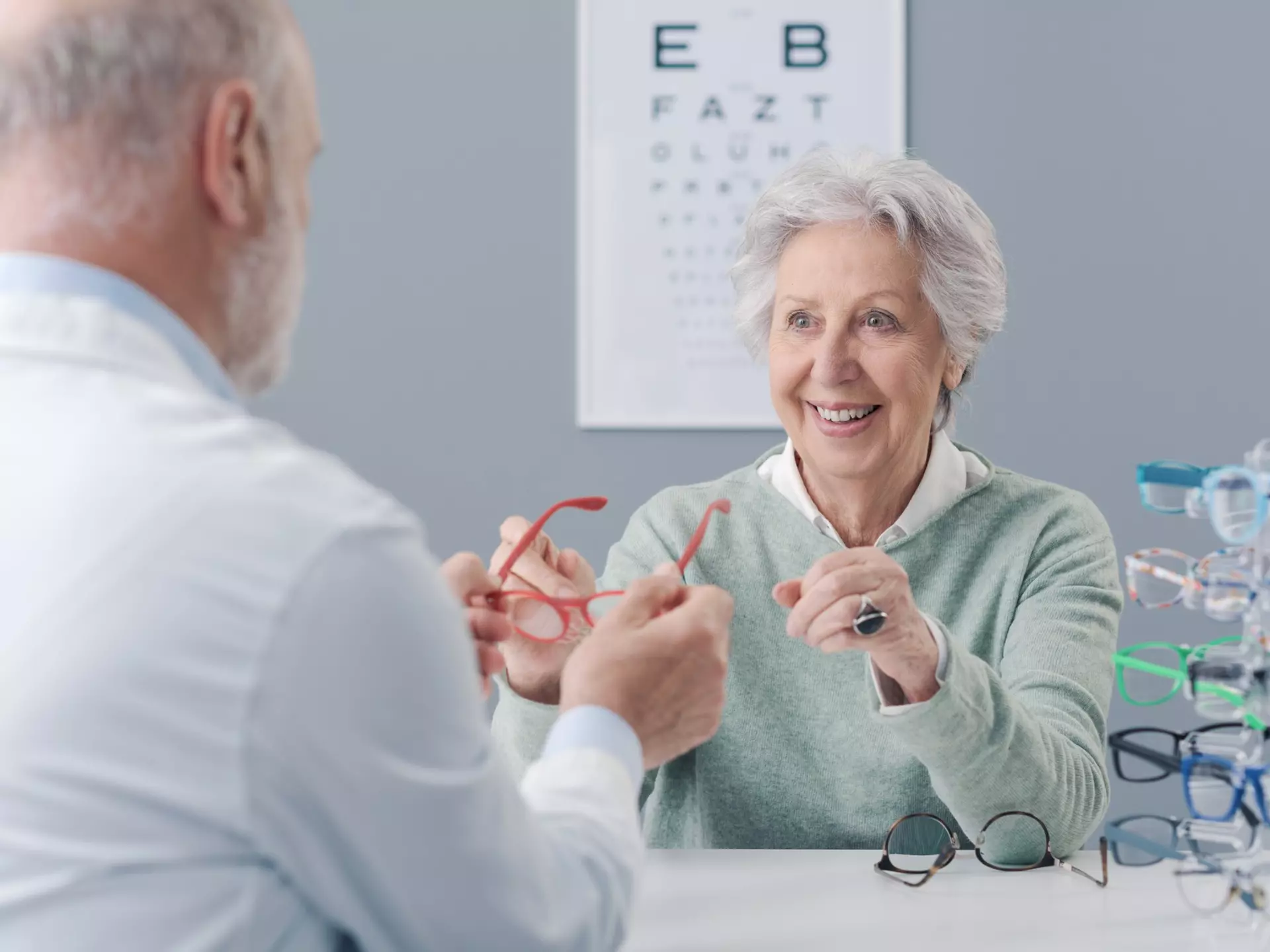
Regular dilated eye exams are crucial for supporting eye health for seniors. The American Academy of Ophthalmology recommends a comprehensive dilated eye exam every 1-2 years for individuals 65 and older. Still, sudden or unusual changes in vision between appointments should be checked by a professional right away. Some individuals, particularly those with diabetes, a family history of eye disease, or ongoing vision problems, may require more frequent exams.A dilated eye exam allows the optometrist or ophthalmologist to closely examine the retina, macula, and optic nerve for diseases like glaucoma, diabetic retinopathy, and macular degeneration before symptoms appear. The process is usually painless and takes about 15-30 minutes. Medicare may help cover costs for annual glaucoma screenings and diabetic eye exams for qualifying individuals.In addition to supporting eye health for seniors, regular eye care can also help detect signs of underlying conditions like high blood pressure and diabetes before noticeable symptoms develop.You can prepare for your eye exam by bringing your current eyeglasses and a list of any prescriptions you’re taking. Your eye specialist may also ask about your family history and any previous eye problems you may have had.
Protecting Your Vision: Daily Habits for Eye Health
Even though it’s not entirely possible to prevent some age-related conditions, certain daily lifestyle habits can significantly reduce the risk by supporting eye health in seniors. Protecting your vision as you age might include:
- UV Protection: Limiting exposure to ultraviolet (UV) radiation, including wearing UV-blocking sunglasses and wide-brimmed hats during the summer, has been shown to help reduce the risk of some age-related eye diseases like cataracts and AMD.
- Quit Smoking: Smokers tend to experience age-related eye conditions like cataracts and AMD earlier and more frequently. Smoking may also increase the risk of other conditions that can affect eye health.
- Manage Chronic Conditions: Conditions like diabetes and high blood pressure can impact eye health and vision, particularly in advanced stages.
- Maintain a Balanced Diet: To help protect your vision, aim for a healthy diet that includes colorful fruits and vegetables, leafy greens, and omega-3 fatty acids.
- Regular Movement: In addition to other wellness benefits, regular exercise supports healthy circulation, which may help maintain eye health and lower the risk of certain conditions, including glaucoma.
- Protect Your Eyes: When possible, read in good lighting to reduce eye strain. Be sure to take regular breaks from screens or close-up work, such as reading or writing. The American Optometric Association recommends the 20-20-20 rule: every 20 minutes, take a 20-second break to look at something 20 feet away.
- Use Vision Aids: If you’re managing an eye condition, it’s important to stay consistent with your medications and ensure any vision aids, such as prescription eyeglasses or contact lenses, are up to date.
- Seek Professional Care: Lastly, it’s never a good idea to ignore sudden changes in your vision. Symptoms like flashes, floaters, or vision loss may sometimes indicate a more serious condition, making regular professional eye exams especially important.
Take Charge of Your Eye Health
Good vision is essential for maintaining safety, independence, and quality of life as you age. However, many age-related eye conditions progress without noticeable warning signs in their early stages. Regular comprehensive dilated eye exams can help support eye health for seniors by detecting serious conditions like AMD, glaucoma, and cataracts before significant vision loss occurs.There are many treatment options available, including prescription eyedrops, vision aids, laser surgery, and other approaches to help improve or preserve vision. Rather than waiting for symptoms to appear, it’s best to schedule a comprehensive dilated eye exam with your optometrist or ophthalmologist to monitor for unusual changes in your vision and screen for age-related eye conditions.At StoryPoint Group communities, we’re here to support seniors and help them live each day with confidence. That includes providing the resources, guidance, and everyday support that contribute to overall well-being — including eye health.In many of our communities across the country, that support takes shape through services and programs designed with residents in mind, like fresh, chef-prepared meals tailored to senior dietary needs, engaging social activities, wellness and activity centers, and scheduled transportation to doctors’ appointments — all working together to support health, independence, and quality of life.To learn more about our services or explore what life is like in our communities, please fill out our contact form or schedule a tour at a StoryPoint Group community near you.