
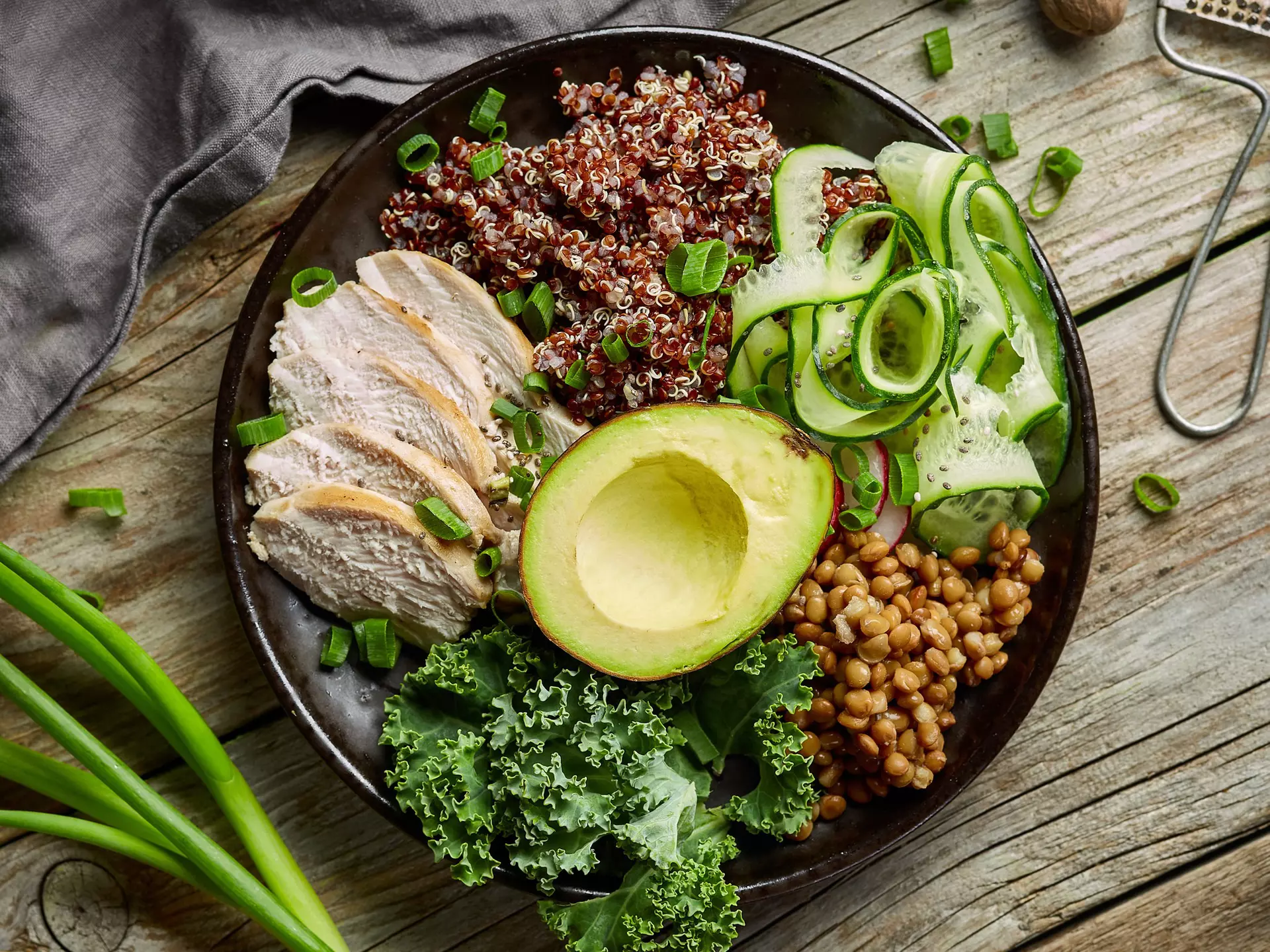
Maintaining sharp thinking and good heart health can help you keep doing the things you love for longer. One powerful nutrient that supports both of these critical functions is folate, also known as vitamin B9. Your body relies on this essential vitamin for a wide range of important roles, including supporting brain function, promoting cardiovascular health, aiding energy production, and helping with cell growth and repair.
However, many older adults may not be getting enough folate each day. As we age, our bodies can become less efficient at absorbing and using certain nutrients. At the same time, common challenges like reduced appetite, dietary restrictions, medication use, or difficulty chewing and swallowing can make it harder for some seniors to maintain optimal nutrient intake. Over time, low folate levels may affect memory, mood, and overall vitality.In this guide, we’ll take a closer look at folate, why it plays such a vital role in healthy aging, and which foods naturally provide this important vitamin. We’ll also clarify the difference between folate from foods and folic acid from supplements, and share practical, easy-to-follow tips for adding more folate-rich foods to your daily meals.

Why Folate Matters for Seniors: Essential Benefits for Healthy Aging
Maintaining a balanced diet is key to staying healthy at any age. However, according to experts, regular intake of folate, or vitamin B9, can offer many valuable health benefits as you grow older. These can include:
- Supporting Brain Health: Folate supports the production of key brain chemicals and helps nerve cells communicate effectively, with several studies linking higher folate intake to stronger cognitive function in older adults.
- Potential Protection Against Cognitive Decline: Emerging research suggests that eating foods rich in folate may help improve cognitive skills like memory and focus, and even lower the risk of cognitive decline and dementia, including Alzheimer’s disease, particularly in those with elevated homocysteine levels.
- Heart Health and Cardiovascular Protection: According to a Harvard study, a folate-rich diet may also help control excess homocysteine levels (an amino acid associated with increased risks of stroke, cardiovascular disease, and Alzheimer’s). Vitamin B9 also supports healthy blood vessel function and helps maintain normal blood pressure.
- Energy Production and Combating Fatigue: Due to many normal, age-related factors, many seniors may not be as energetic as they used to be. Folate is essential for the production of red blood cells, which transport oxygen throughout the body. In addition to other essential vitamins and nutrients, adequate folate intake can help you maintain energy levels and combat fatigue that’s common with aging.
- Cell Repair and DNA Synthesis: Vitamin B9 also supports ongoing cell regeneration, cellular metabolism, and repair processes that help maintain healthy tissue function throughout the body.
- Reduced Risk of Anemia: Folate deficiency can lead to megaloblastic anemia (common among seniors), which may cause fatigue, weakness, and shortness of breath.
- Age-Related Factors: Many older adults may be at increased risk of folate deficiency due to a combination of factors, including reduced appetite, medication interactions (certain drugs interfere with folate absorption), decreased stomach acid secretion, and chronic health conditions.
Understanding Folate vs. Folic Acid: What Seniors Need to Know
Since 1998, enriched grain products like bread, pasta, rice, flour, and cornmeal have been fortified with folic acid to help prevent neural tube defects in newborns. This means most Americans receive some folic acid through their diet. But while the terms folate and folic acid are often used interchangeably, there are some important differences seniors should know:
- Natural Folate vs. Synthetic Folic Acid: Folate, or vitamin B9, is naturally found in whole foods like leafy greens, legumes, and citrus fruits. Folic acid, on the other hand, is a synthetic form of the vitamin, commonly found in supplements and fortified foods like cereals and enriched grains.
- Absorption Differences: Approximately 85% of folic acid is absorbed by the body when taken with food, whereas natural food folate has a lower bioavailability of around 50%. Despite this, whole food sources of folate are often packed with additional essential nutrients and vitamins that support overall health.
- How the Body Processes Them: Natural folate from foods is converted to its active form, methylfolate, through a series of enzymatic steps. Synthetic folic acid, on the other hand, must first be processed in the liver before the body can use it.
- Potential Concerns With Synthetic Folic Acid: Relying heavily on supplements or fortified foods may mask a vitamin B12 deficiency, which can be particularly concerning for seniors. Some research also suggests that long-term accumulation of unmetabolized folic acid in the bloodstream could carry potential risks.
- Genetic Factors: Between 25% and 60% of people carry a variation in the MTHFR gene, which can affect how efficiently their bodies convert folic acid to its active form. For these individuals, getting folate from natural food sources may be especially important.
Seniors may use supplements and fortified foods to help contribute to vitamin B9 intake. However, it’s usually more beneficial to prioritize a balanced diet that includes natural food sources of folate. It’s usually wise to check with your health care provider before taking any supplements. 
How Much Folate Do Seniors Need? Daily Requirements and Recommendations
Most people, including older adults, need 400 micrograms (mcg) DFE per day according to the Food and Drug Administration (FDA). DFE stands for dietary folate equivalents, a measurement used to account for differences in how the body absorbs natural folate from foods versus synthetic folic acid from supplements or fortified products.For example, 1 mcg of folate from leafy greens, beans, or citrus fruits counts as 1 mcg DFE, while 1 mcg of folic acid from a supplement, fortified cereal, or enriched pasta counts as 1.7 mcg DFE. This system helps ensure seniors are meeting their daily folate needs accurately, whether from food, supplements, or a combination of both.Some individuals may benefit from higher folate intake if they have absorption issues, take medications that interfere with folate absorption, have elevated homocysteine levels, or manage specific health conditions like heart disease, kidney disease, or certain types of anemia. Other factors, including digestive health, alcohol consumption, and overall dietary patterns, can also affect folate requirements.It’s worth noting, however, that the safe maximum for folic acid from supplements and fortified foods is 1,000 mcg per day, while there is no established upper limit for naturally occurring folate from whole foods. Your doctor or registered dietitian can order blood tests to check folate levels.Signs of low folate may include fatigue, weakness, difficulty concentrating, and shortness of breath. Seniors should consider discussing their individual folate needs with a health care professional, especially if taking medications or managing chronic conditions. 
Top 15 Foods High in Folate for Seniors
Many foods are naturally rich in folate and other vital nutrients and minerals. Below are a few options worth adding to your diet, according to USDA FoodData Central’s data:
- Dark Leafy Greens: These are packed with natural folate; a half-cup of cooked spinach provides 131 mcg (33% DV), in addition to being an excellent source of vitamins K and A. Kale offers similar folate benefits, along with added antioxidants. A cup of raw romaine lettuce may add about 64 mcg of folate to your meal.
- Legumes: Legumes are folate powerhouses and are also rich in protein and fiber, making them especially beneficial for seniors. One cup of cooked lentils contains an outstanding 358 mcg (90% DV). Kidney beans are another excellent option, providing about 131 mcg per cup. One cup of cooked chickpeas offers 282 mcg, while one cup of cooked black beans contains roughly 256 mcg.
- Asparagus: A half-cup of cooked asparagus provides around 134 mcg (34% DV). It’s simple to prepare by roasting or steaming and adds a flavorful touch to any meal.
- Broccoli and Brussels Sprouts: In addition to being folate-rich, both of these vegetables are loaded with valuable cancer-fighting compounds. A half-cup of cooked broccoli contains about 84 mcg (21% DV), while a similar amount of cooked Brussels sprouts provides around 47 mcg.
- Avocado: A healthy source of heart-healthy monounsaturated fats. Plus, it’s generally easy to digest and can be incorporated into a wide variety of dishes. Half an avocado contains about 82 mcg (21% DV) of folate.
- Citrus Fruits: One large orange contains 55 mcg (14% DV). Other citrus fruits, including grapefruit, lemons, and limes, can also contribute to your folate intake. Many of them are also loaded with vitamin C, which supports overall nutrient absorption.
- Beets: One cup of raw beets provides a healthy 148 mcg (37% DV). Beets also contain nitrates that help support healthy blood pressure. You may enjoy them roasted, steamed, or added to salads.
- Eggs: Widely available and easy to prepare in multiple ways, eggs are a versatile folate source for seniors. One large egg provides 22 mcg (6% DV) of vitamin D, along with protein to support muscle health.
- Papaya and Bananas: One cup of papaya contains 53 mcg (13% DV), while one medium banana provides 24 mcg (6% DV). Both fruits are gentle on the digestive system and easy to eat for most seniors.
- Fortified Cereals and Grains: Many breakfast cereals are fortified with 100-400 mcg of folic acid per serving. Other sources of folic acid may include enriched pasta and bread. While fortified foods can contribute to daily folate intake, they should complement, not replace, whole food sources.
- Beef Liver: This is one of the best sources of folate, with 3 oz of cooked beef liver delivering about 212 mcg (54% DV). It’s also rich in vitamins A, B12, and iron.
- Nuts and Seeds: These contain folate as well as healthy fats that support heart and brain function. A quarter-cup of sunflower seeds provides 82 mcg, while a similar amount of peanuts provides around 88 mcg.
- Whole Grains: Whole grains like quinoa and brown rice provide moderate amounts of folate, along with essential B vitamins and fiber. Wheat germ is another rich source, offering about 78 mcg per ounce.
- Seafood Options: Certain fish, including salmon, sardines, and mackerel, provide moderate amounts of folate and are rich in omega-3 fatty acids that support brain and heart health.
- Meal Suggestions: The easiest way to support adequate folate intake is to include a variety of folate-rich foods in your diet. Here are a few healthy and tasty options you may consider trying:
-
- Spinach salads with citrus dressing
- Lentil soups
- Avocado toast on whole-grain bread
- Roasted asparagus side dishes
- Morning smoothies with leafy greens and banana
- Hard-boiled eggs for snacks

Easy Ways to Add Folate-Rich Foods to Your Daily Diet
Incorporating folate into your diet doesn’t necessarily mean eating bland food. Here are some helpful tips for making folate-rich meals into your diet — without sacrificing taste:
- Start With Breakfast Strategies: A tasty, nutrient-dense breakfast can give you the energy boost you need to start your day. Breakfast options you may try:
- Whole-grain cereal topped with sliced banana and berries
- Spinach and mushroom omelet with whole wheat toast
- Blend a green smoothie with spinach, banana, and orange juice
- Spread avocado on whole-grain toast
- Build Better Lunches: Lunch offers a great chance to recharge in the middle of the day. Here are some tasty, folate-dense lunch options worth trying:
- Mediterranean salad with mixed greens, chickpeas, and citrus dressing
- Lentil or black bean soup with pasta
- Hummus and veggie wrap using a whole wheat tortilla
- Asparagus served with mashed potatoes and soup
- Enhance dinner plates: For the last meal of the day, consider trying:
- Pasta with leafy greens
- Baked salmon with roasted asparagus
- Stir-fries with steamed broccoli or Brussels sprouts
- Smart Snacking Strategies: It’s usually a good idea to keep healthy snack options on hand for a quick boost between meals. Great options include:
- Hard-boiled eggs
- Chunks of orange segments or papaya
- A small handful of peanuts or sunflower seeds
- Vegetables dipped in hummus
- Meal Prep Tips for Convenience: Preparing meals in batches can help ensure you always have something healthy on hand. Meal prep tips you may try:
- Wash and portion leafy greens at the start of the week
- Roast vegetables in bulk for easy reheating
- Cook a large batch of lentils or beans at the start of the week
- Pre-portion nuts and seeds into snack containers
- Simple Recipe Modifications: If you love cooking, you can also incorporate folate-rich foods into new or favorite recipes. Here are some options you may consider:
- Add spinach to your favorite pasta sauces
- Toss beans into existing soup recipes
- Blend leafy greens into fruit smoothies (the taste is often masked by fruit)
- Top sandwiches with extra lettuce and avocado
- Combining Foods for Better Nutrition: You can also try combining different dishes to enhance both flavor and nutrition. You may:
- Ensure your meals are balanced by including protein, whole grains, and vegetables
- Pair folate-rich foods with vitamin C sources for enhanced absorption
- Include healthy fats (like avocado or nuts) to help absorb fat-soluble vitamins
- Overcome Common Barriers: For seniors who have difficulty chewing, softer options such as mashed avocado, cooked lentils, or smoothies may be easier to chew. If low appetite is a concern, aim for smaller, nutrient-rich servings spaced throughout the day.
Special Considerations: Medications and Conditions Affecting Folate
Certain medications and health conditions commonly affect folate levels by depleting the vitamin or interfering with its absorption. Below are some special considerations to keep in mind:
- Common Medications That Interfere With Folate: Methotrexate, used to treat arthritis and some cancers, can significantly deplete folate. Metformin, a diabetes medication, has also been shown to reduce folate absorption. Certain anti-seizure medications, antibiotics, and diuretics may affect folate intake.
- Proton Pump Inhibitors and Acid Reducers: Some studies suggest that prolonged use of heartburn or GERD medications can reduce stomach acid, which is necessary for proper folate absorption. Seniors taking these medications should closely monitor their folate intake.
- Digestive Conditions Affecting Absorption: Crohn’s disease can significantly impair folate uptake in the small intestine. Other conditions, including H. pylori infection, celiac disease, and inflammatory bowel disease, may also interfere with the absorption of essential nutrients, including folate.
- Alcohol Consumption: Even moderate alcohol intake may reduce folate absorption and metabolism, while heavy drinking significantly increases deficiency risk. Seniors who consume alcohol should pay special attention to folate intake.
- Kidney Disease: Folate metabolism may be affected by reduced kidney function, and dialysis patients may have higher folate requirements. Seniors with kidney disease should consult their health care provider for guidance.
- When Supplementation May Be Necessary: While a health care provider may recommend supplements for certain conditions, regular monitoring of nutrient levels is important. You should consult your doctor if any of your medications could reduce folate levels or interfere with absorption.
- Working With a Health Care Team: If more than one professional is involved in your care, it can be helpful to keep all of them informed about any medications or supplements you’re taking. You may also request folate level testing if you’re concerned about a deficiency, or consult a registered dietitian for a meal plan tailored to your specific needs.
Folate Supplementation for Seniors: When and How to Supplement
Some seniors may have difficulty meeting their recommended folate intake solely through diet. In such cases, a doctor may recommend folate supplementation after conducting blood work. Your health care provider may also suggest supplements if you have absorption issues, digestive conditions, or take medications known to deplete folate.Types of folate supplements available:
- Standard Folic Acid Supplements: The most common and least expensive option
- Methylfolate Supplements: Already in active form; beneficial for individuals with MTHFR gene variations
- B-Complex Vitamins: Contain multiple B vitamins, including folate
- Multivitamins With Folic Acid: Provide folate along with other essential vitamins and minerals
While most supplements are generally safe, it may be wise to look for options with third-party testing certifications, including USP, NSF, or ConsumerLab. Also, be sure to check expiration dates and follow storage recommendations to ensure your supplements remain effective and safe to use. As always, be sure to discuss specific products with your health care provider or pharmacist, and avoid exceeding your recommended folic acid intake.Most supplements provide 400-800 mcg of folic acid. In some cases, health care providers may recommend higher doses for individuals managing specific conditions. However, it is best to avoid exceeding the upper limit of 1,000 mcg per day from supplements without your doctor’s supervision.Excessive intake of folic acid may lead to the accumulation of unmetabolized folic acid and mask vitamin B12 deficiency, which can be particularly concerning for seniors. Some studies also suggest that high doses of folic acid could affect immune function in some individuals.The food-first philosophy remains the best. Folate-dense whole foods provide folate along with other beneficial nutrients and compounds. Additionally, natural food sources generally pose fewer risks than high-dose supplements. As such, supplements should complement, not replace, a healthy diet.All that said, you should always consult your doctor before starting any supplement. Regular monitoring is often recommended for those using folate supplements. Be sure to discuss any side effects or concerns with your doctor promptly.
Signs of Folate Deficiency in Seniors: What to Watch for
The body needs folate for several key functions. Seniors who don’t get enough folate may experience several symptoms, including:
- Fatigue and Weakness: Folate deficiency can cause megaloblastic anemia, in which the body produces abnormally large, non-functional red blood cells that reduce oxygen delivery to tissues. This often leads to persistent tiredness that isn’t relieved by rest, a general feeling of low energy throughout the day, and difficulty completing everyday activities.
- Cognitive Symptoms: Low vitamin B9 has been linked to accelerated cognitive decline in seniors. Symptoms may include difficulty concentrating or focusing on tasks, increased forgetfulness, confusion or mental fog, and irritability or mood changes.
- Physical Symptoms of Anemia: Low folate levels affect red blood cell production, which is essential for transporting oxygen throughout the body. This can cause symptoms like shortness of breath, a rapid heartbeat or palpitations, pale skin or pale mucous membranes, and dizziness or lightheadedness.
- Mouth and Tongue Changes: A sore or swollen tongue (glossitis), mouth sores or ulcers, and a pale or smooth tongue surface can be signs of metabolic deficiencies in seniors, including folate deficiency.
- Digestive Issues: Some seniors with vitamin B9 deficiency may experience digestive problems, including loss of appetite, nausea or upset stomach, diarrhea or other digestive discomfort, and unintended weight loss.
Other warning signs include headaches, early hair graying (though some graying is a normal part of aging), and a higher risk of infections, which may also indicate folate deficiency.A basic blood test can help evaluate folate levels and check other important nutrients, especially vitamin B12. Early detection and treatment can help prevent complications and support overall health in seniors.
Folate and Other B Vitamins: A Synergistic Approach
B vitamins usually work together. Folate (vitamin B9), B12, and B6 are all important for cognitive function and nerve health, and a deficiency in one can affect the effectiveness of the others. Additionally, these three vitamins work synergistically to help reduce homocysteine levels, a compound linked to an increased risk of cardiovascular disease and cognitive decline.Folate (B9) and vitamin B12 are essential for red blood cell formation and neurological function. Vitamin B12 is found in a wide variety of animal products, including meat, fish, eggs, and dairy. However, deficiency can sometimes be masked by adequate folate intake. Reduced stomach acid, a common condition among seniors, can also make B12 absorption more difficult.Vitamin B6 is found in several foods, including poultry, fish, potatoes, chickpeas, bananas, and fortified cereals. Many folate-rich foods also contain other B vitamins, making it easier to support multiple nutrient needs at once.You don’t need to focus on each B vitamin individually. Instead, try to incorporate a mix of foods that provide multiple nutrients at once. Health care providers can perform a blood test to check levels of several B vitamins, including folate.If absorption issues are present, treatment may involve addressing deficiencies in multiple B vitamins simultaneously. In such cases, B-complex supplements containing all eight essential B vitamins can be used under medical guidance to support overall B vitamin status.
Creating a Folate-Friendly Meal Plan for Seniors
Preparing folate-rich meals in advance can help improve your folate intake and ensure you always have something ready to eat, even on busy days. Here are some folate diet planning tips worth trying:
- Sample Daily Meal Plan Meeting Folate Needs: Here’s a daily meal plan you may try. Feel free to swap the ingredients as you please.
- Breakfast: Spinach and mushroom omelet (2 eggs) with whole wheat toast and orange slices
- Mid-Morning Snack: Small handful of sunflower seeds
- Lunch: Large salad with mixed greens, chickpeas, avocado, and citrus vinaigrette
- Afternoon Snack: Banana with almond butter
- Dinner: Grilled salmon with roasted asparagus and quinoa
- Evening Snack (if needed): Papaya chunks or fortified cereal with milk
- Weekly Meal Planning Strategy: If you prepare meals weekly, try to include at least one serving of dark leafy greens daily and legumes 3-4 times per week. You may also include different varieties of folate-rich vegetables to keep meals interesting, or prepare versatile soups or salads that pair well with multiple dishes.
- Budget-Friendly Approaches: If you’re looking for affordable folate-dense foods, dried beans and lentils are excellent options. You may also consider buying frozen vegetables, which offer strong nutritional value at a lower cost. Buying produce in season is another simple way to save. If you wish, you might even grow leafy greens like spinach or kale in a backyard garden.
- Preparation Tips for Limited Mobility: If mobility or dexterity is a concern, simple recipes with fewer steps may help reduce fatigue. Opting for prewashed salad greens, frozen vegetables that require minimal preparation, or batch cooking meals in advance can also help support folate intake.
- Adapting for Dietary Restrictions: Seniors, including those with dietary restrictions, can choose from a wide variety of folate sources, including meat and poultry, leafy greens, grains and nuts, gluten-free fortified grains, and more.
- Enjoyment and Variety: When adding folate-dense foods to your diet, it may help to experiment with new recipes to boost your appetite and discover what you enjoy. You may also consider trying different preparations of the same foods (raw, roasted, or steamed), or involving family or friends in meal planning and preparation.
Embracing Folate-Rich Foods for Healthier Aging
Folate is an essential nutrient supporting brain health, cardiovascular function, energy production, and overall vitality as we age. Adequate intake can help reduce the risk of anemia, support cognitive function, and promote healthy aging.To reap the greatest benefits, though, it’s a good idea to prioritise natural sources of folate from whole foods. Doing so can encourage a balanced eating pattern rather than relying solely on supplements. In addition, natural foods are often rich in other beneficial nutrients, minerals, and fiber.Many folate-rich options are affordable, accessible, and easy to prepare. What’s more, incorporating folate-rich foods doesn’t require drastic dietary changes. Even small additions and simple substitutions can make a meaningful difference in your daily intake.At StoryPoint Group communities, we recognize the importance of a healthy diet for our residents. That’s why we serve a wide variety of fresh, delicious, chef-prepared meals, including folate-rich options, to meet each resident’s preferences and dietary needs.Helping people feel like they genuinely belong is just as important as the meals we serve. Whether it’s a casual conversation with the chef or one of our team members stopping by a resident’s table at lunchtime to say hello, these everyday moments make mealtimes at our communities even more enjoyable.If you’d like to experience what life is like in a StoryPoint Group community, we’d be delighted to show you around. Contact us today or schedule a tour of a StoryPoint Group community near you. We can’t wait to welcome you.