

Drinking enough water is one of the simplest ways to help your body feel its best each day and support healthy aging. However, certain age-related changes, like a reduced sense of thirst, can make it harder to get enough fluids. When your body doesn’t get enough water, it can lead to dehydration.
For seniors, dehydration often leads to discomfort and other serious consequences, including constipation, dizziness and confusion, lower immunity, low blood pressure, and more. Some of these symptoms may increase the risk of falls.Despite this, many seniors may not realize they’re not drinking enough water. In fact, research suggests that nearly four in 10 older adults may not get enough fluids on a regular basis, putting them at greater risk for dehydration and related health issues.In this guide, we’ll cover everything you need to know about staying hydrated, including dehydration warning signs every senior and caregiver should recognize, why drinking enough water becomes more critical as we age, and practical tips to help you get enough fluids throughout the day. We’ll also go over some common hydration challenges and how you can address them.
Why Hydration Matters More as You Age: The Science Behind Senior Dehydration
Studies show that, unfortunately, chronic dehydration is much more common among older adults than in other populations. If you’re wondering why seniors need to pay extra attention to how much water they drink, it often comes down to a combination of normal age-related changes that affect the body’s fluid balance.These changes can include:
- Normal Changes in Body Composition: As we age, our bodies naturally hold less water, partly due to a decrease in muscle mass. While about 60% of a young adult’s body is made up of water, this percentage gradually decreases over time. Because seniors have smaller “reserves,” staying hydrated becomes even more important.
- Diminished Thirst Response: Research shows that healthy older adults often don’t feel as thirsty as younger people. This means dehydration can sometimes develop quietly, without the usual warning signs.
- Changes in Kidney Function: Aging kidneys are less able to concentrate urine and conserve water. Studies suggest kidney function may decline by around 20% between ages 60-79, and by more than 50% by age 80.
- Medication Side Effects: Certain medications commonly used to manage age-related health issues can increase fluid loss or make it harder for the body to regulate hydration. This includes diuretics, blood pressure medications, and some diabetes drugs.
- Difficulties Regulating Temperature: Older adults’ bodies don’t regulate temperature as efficiently. This can make dehydration more likely, especially during exercise or hot weather, when the body loses water through sweat.
- Cognitive and Mobility Changes: Sometimes, loved ones experiencing cognitive conditions may need reminding to sip water throughout the day. Seniors with mobility limitations may also reduce fluids to avoid frequent bathroom trips, especially at night, when the risk of falls is usually higher.
- Chronic Conditions: Health issues like diabetes, heart disease, and kidney disease, which are more common in older adults, can increase fluid loss, reduce thirst sensations, or limit the ability to drink enough fluids.
Recognizing the Warning Signs: Symptoms of Dehydration in Seniors
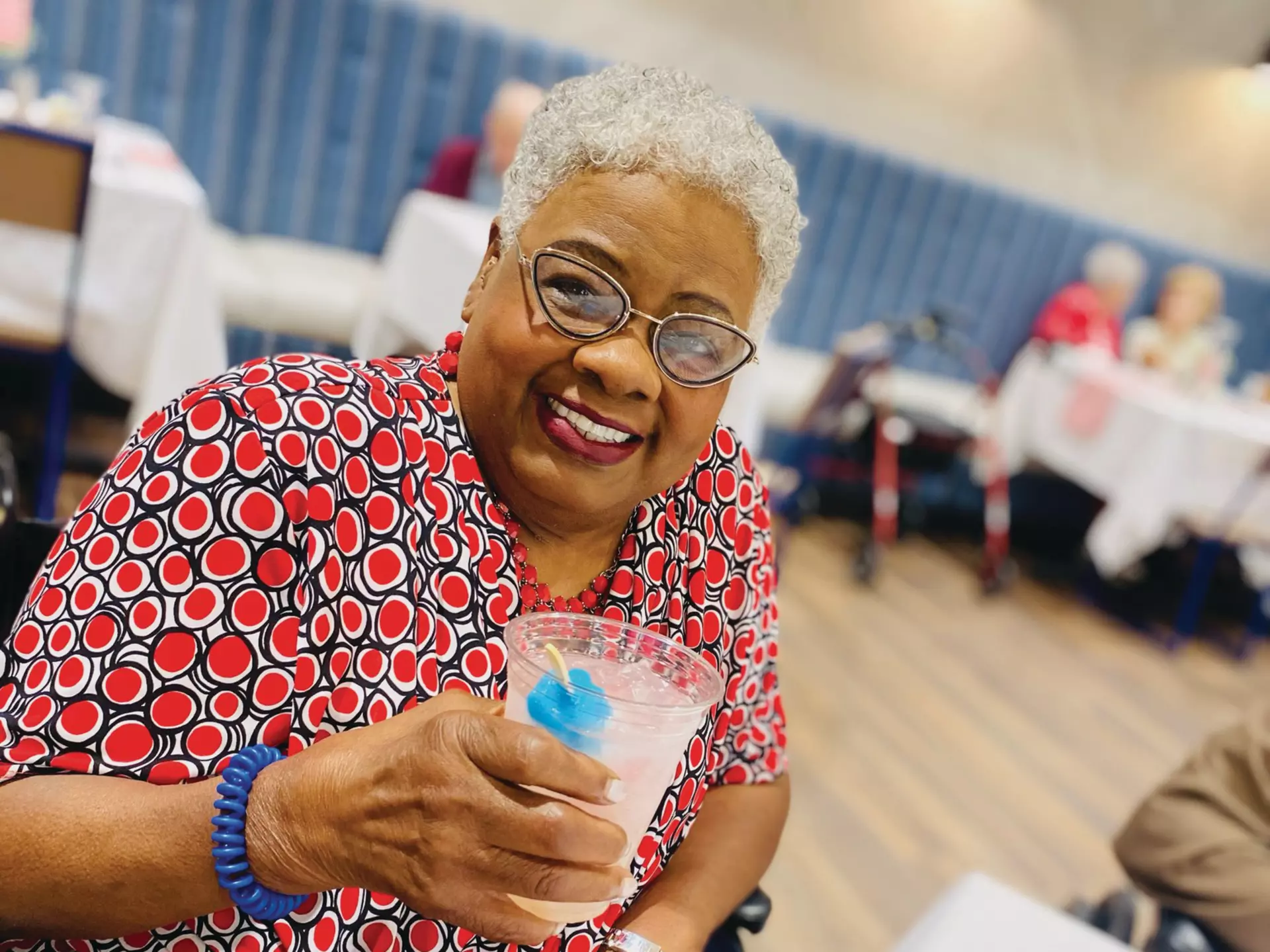
Not drinking enough water can show up in many ways. You might notice a dry mouth or tongue, headaches, constipation, muscle cramps, or feeling unusually tired or sluggish as your body loses fluids. However, in older adults, these common signs aren’t always reliable, and dehydration can sometimes develop quietly.Other possible warning signs of dehydration in seniors include:
- Urine Color: Pale yellow or clear urine usually indicates good hydration. Dark yellow or amber urine, similar in color to apple juice, can be a sign that your body needs more fluids.
- Cognitive Symptoms: Dehydration can affect the brain, sometimes causing difficulty concentrating, confusion, or sudden changes in mood. These symptoms can occasionally be mistaken for signs of dementia.
- Physical Symptoms Related to Low Fluids: Not drinking enough can lead to shortness of breath during activity, a rapid heartbeat or palpitations, pale skin, dizziness, or lightheadedness. For some seniors, dizziness and shortness of breath may increase the risk of falls.
- Skin Turgor Test: Gently pinch the skin on the back of the hand. If it stays raised or takes a moment to flatten, it may indicate dehydration.
Additional warning signs may include sunken eyes, weakness and fatigue, dry eyes with a burning sensation, and reduced sweating even in warm conditions. In many cases, older adults may not recognize or communicate these dehydration symptoms. As such, it’s essential to ensure they drink adequate water and fluids throughout the day, even when they don’t feel thirsty.In severe cases, dehydration can cause confusion or disorientation, fainting, very dark urine (or little to no urination), or rapid breathing and heartbeat. These signs often require immediate medical attention.
How Much Water Should Seniors Drink? Daily Fluid Recommendations
People often ask, “How much water should seniors drink?” According to the Institute of Medicine (IOM), men need about 13 cups (just over 0.8 gallons) of total daily fluids, while women need about 9 cups (around 0.56 gallons). For most older adults, aiming for 6-8 cups (approximately 0.38–0.5 gallons) of fluids each day provides a good baseline.While water is usually the best choice for staying hydrated, other drinks and foods also count toward your daily fluid intake. Juice, milk, tea, coffee, soups, and smoothies all contribute to keeping your body hydrated.Fluid needs can vary from person to person. Your body may require more fluids during hot weather, when you are physically active, while taking certain medications, or if you experience conditions like fever, diarrhea, or vomiting. On the other hand, seniors with specific health conditions, including heart failure, kidney disease, or electrolyte imbalances, may be advised by their doctor to limit fluid intake.Your doctor or physician can help assess your hydration status and provide personalized recommendations based on your lifestyle, health history, and the medications you’re taking.
Top 15 Hydrating Foods for Seniors
Approximately 20% of your daily fluid intake actually comes from food. For seniors who struggle to drink enough fluids throughout the day, water-rich fruits and vegetables can be a simple and refreshing alternative. You might enjoy fruit cups with breakfast, add vegetables to your meals, or snack on hydrating fruits between meals. Beyond their hydration benefits, many of these foods also provide essential vitamins and minerals your body needs.Here are 15 of the best hydrating foods you may consider adding to your diet:
- Cucumbers: With 96% water content, cucumbers are one of the most hydrating foods you can enjoy. You can eat them raw or add them to salads for a refreshing crunch and mild flavor.
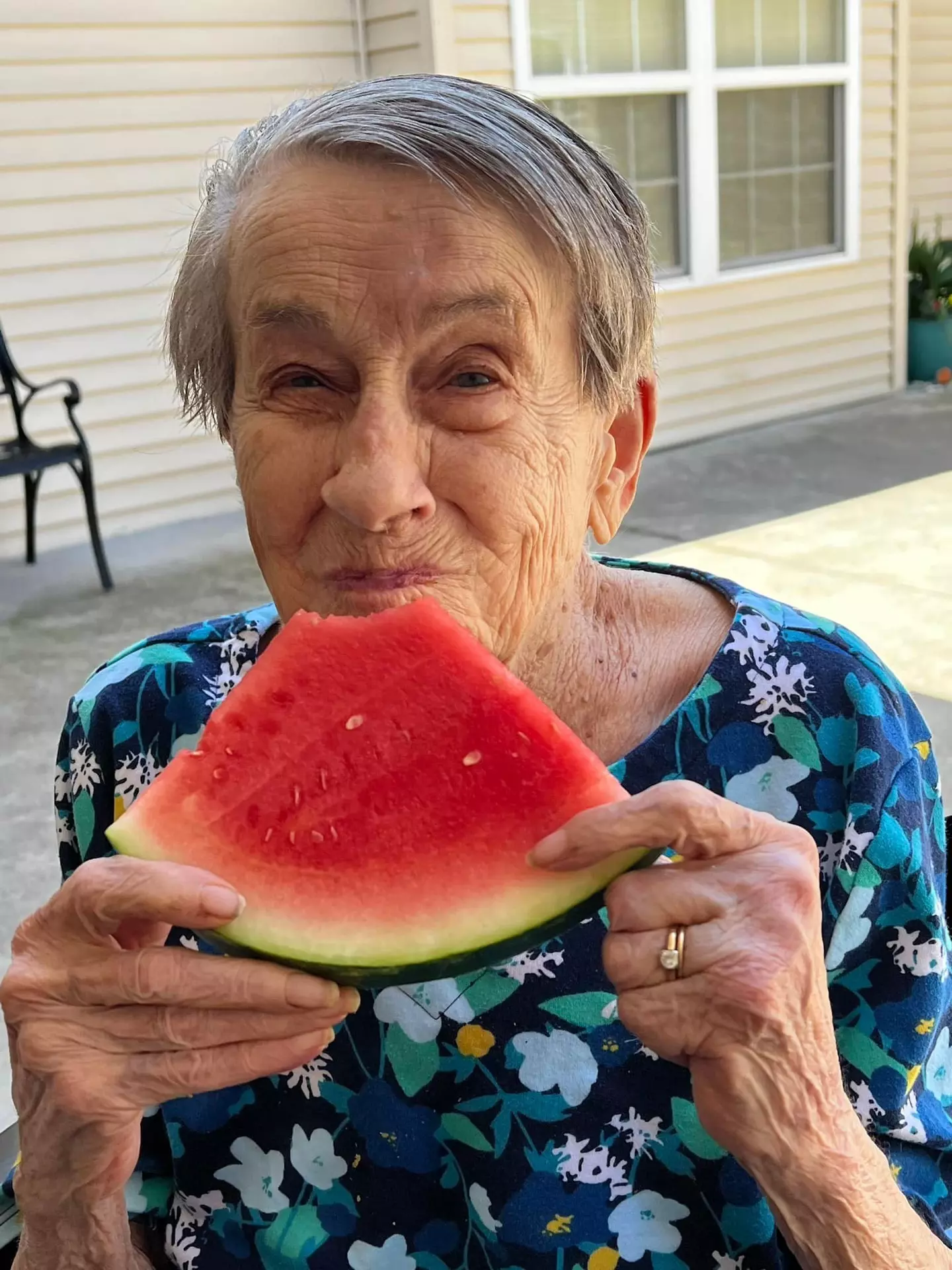
- Watermelon: This naturally sweet favorite contains about 92% water, making it an excellent hydrating food. It’s easy to chew for most seniors and is packed with essential nutrients, including vitamins A and C, and the antioxidant lycopene.
- Strawberries and Other Berries: These tasty fruits are loaded with antioxidants and may contain up to 91% water. You can enjoy berries fresh, in smoothies, or use them as toppings on yogurt, oatmeal, or salads.
- Lettuce and Leafy Greens: Iceberg lettuce is 96% water, making it a highly hydrating vegetable. Romaine and other water-rich greens also contain fiber and other vital nutrients.
- Celery: With 95% water content, celery is both hydrating and low in calories. Pair it with peanut butter or your favorite dip for a crunchy, fiber-rich snack.
- Tomatoes: These juicy, hydrating vegetables are about 94% water. You can enjoy them raw, cooked in soups, or blended into a healthy juice.
- Citrus Fruits: Most citrus fruits, including oranges, grapefruits, lemons, limes, and tangerines, have high water content and are packed with vitamin C.
- Cantaloupe and Honeydew Melons: With about 90% water, these naturally sweet melons have a soft texture, making them easy to enjoy for seniors with dental concerns.
- Soups and Broths: Both are excellent for hydration, particularly in cooler months. Seniors can enjoy them throughout the day to boost fluid intake and replenish electrolytes.
- Yogurt: Yogurt is around 85% water and also delivers protein and probiotics, which help support healthy aging.
- Bell Peppers: These crisp vegetables are about 92% water and come in a variety of vibrant colors. You can add them to salads, sandwiches, wraps, or your favorite cooked meals.
- Zucchini and Summer Squash: With about 95% water content, these mild-flavored vegetables are easy to incorporate into a variety of dishes.
- Peaches: They’re naturally sweet, soft, and gentle on digestion, making them an ideal hydrating snack for most seniors. Peaches contain approximately 89% water.
- Apples: While slightly lower in water content, apples still contribute to hydration and provide beneficial fiber for digestive health.
- Pears: Soft, juicy, and easy to eat, pears are another hydrating fruit that can be especially appealing for seniors.
Practical Hydration Strategies: Tips to Help Seniors Drink More
Often, the easiest way to increase your fluid intake is by making hydration part of your everyday routine. Here are some hydration tips for seniors that can help guide you along:
- Establish a Hydration Routine: For some seniors, tying hydration to existing daily habits can make it easier. You may try drinking a glass of water when you wake up, with each meal, after using the bathroom, and before bed.
- Set Reminders Throughout the Day: Try to sip water regularly, even if you don’t feel thirsty. You can also use phone alarms, smart devices like Alexa, or old-fashioned timers to help remind you to stay hydrated.
- Keep Water Visible and Accessible: For most people, it’s easier to drink more water if it’s always within reach. Try placing water bottles or glasses in frequently used areas like the bedroom, living room, and kitchen.
- Make Water More Appealing: If low appetite is a concern, consider serving water at your preferred temperature or infusing it with fruits like lemon, cucumber, berries, or fresh herbs to make it more enjoyable. Sparkling water and herbal teas are also excellent options.
- Use the Right Drinkware: Supportive drinkware can give seniors more confidence, especially for those with arthritis or tremors. Consider options like brightly colored cups that are easier to see, cups with spill-proof lids or ergonomic handles, and senior-friendly straws.
- Track Fluid Intake: Tracking your fluids can help keep you motivated. You might keep a simple log, use a marked water bottle to monitor your hydration throughout the day, or try apps designed for fluid tracking.
- Drink With Medications: For some seniors, taking pills can be a natural reminder to drink water. If you’re taking medication with water, try making it a habit to have a glass with each dose.
- Pair Beverages With Activities: You might also combine hydration with activities you enjoy, like sipping tea while knitting, drinking water during TV, or sipping juice while reading.
- Involve Family and Caregivers: A check-in from someone you trust can help you stay on track with your daily fluid intake.

Beverages to Embrace and Those to Limit for Optimal Hydration
Plain water contains no calories, sugar, or additives, making it one of the best hydrating drinks for seniors. For this reason, it should form the foundation of daily fluid intake. Still, there are many hydrating beverages you may include in your fluid intake, such as:
- Herbal Teas: These flavorful drinks include many caffeine-free options like chamomile, peppermint, and rooibos. They can be sipped warm or chilled.
- Low-Fat Milk: Along with fluids, low-fat milk provides protein, calcium, and vitamin D to help maintain bone and muscle health.100% Fruit Juices: Natural fruit juice can help keep you hydrated and provide essential vitamins. Still, some natural fruit juices can be high in sugar, so moderation is key for seniors.
- Vegetable Juices and Broths: Low-sodium vegetable juices or broths can boost fluid intake and provide essential vitamins without extra calories.
- Smoothies: Blend fruits, vegetables, yogurt, and milk for a tasty, hydrating drink.
- Coffee and Tea: Moderate caffeine beverages can contribute to hydration despite mild diuretic effects. There’s usually no need to avoid caffeinated drinks entirely unless advised by your doctor.
- Nutritional Supplement Drinks: For seniors with dental concerns or low appetite, drinks like Ensure or Boost may be excellent options for preventing dehydration.
- Coconut Water: Coconut water comes with natural electrolytes, making it another refreshing alternative. However, watch for added sugars.
It’s usually best for seniors to limit or avoid certain drinks, including:
- Regular soda that is loaded with processed sugar can worsen thirst
- Energy drinks are high in caffeine and sugar
- Alcohol can be highly dehydrating. Try to have water with each alcoholic drink.
Special Considerations: Medications, Health Conditions, and Hydration
Certain age-related health conditions or medications used to treat them can affect hydration in seniors. For this reason, it’s usually wise to discuss your hydration needs with your doctor if you’re experiencing frequent dehydration, noticing changes in urination patterns, starting new medications, or managing chronic conditions. Here are some additional things to keep in mind:
- Diuretics: Blood pressure medications and heart failure drugs can increase urination, leading to fluid loss. Seniors taking these medications may need extra fluids to maintain proper hydration.
- Diabetes Medications: Proper hydration is essential for seniors managing diabetes. High blood sugar can increase urination and fluid loss, and some diabetes drugs can further affect fluid balance.
- Laxatives: Regular use of laxatives can contribute to fluid and electrolyte loss, so it’s important to drink extra water when using them.
- Proton Pump Inhibitors and Antacids: Some acid-reducing medications may affect nutrient absorption, including electrolytes needed for hydration.
- Kidney Disease Considerations: Damaged kidneys may not regulate fluids effectively. If you’re managing kidney conditions, your doctor may advise you to limit or increase your fluid intake depending on your specific situation.
- Heart Failure and Fluid Restrictions: Many heart failure patients have specific fluid limits to help reduce swelling and strain on the heart. It’s important to keep these limits in mind when hydrating.
- Cognitive Impairment Challenges: Seniors with dementia or Alzheimer’s may have difficulty expressing thirst or remembering to drink. Caregivers should monitor fluid intake carefully and offer drinks regularly.
- Swallowing Difficulties (Dysphagia): Some seniors experience swallowing challenges, often due to neurological or muscular conditions. In such cases, thickened liquids or other hydration strategies may be recommended. You may discuss options with your doctor.
Hydration Challenges for Caregivers: Helping a Loved One Stay Hydrated
If you’re caring for an older loved one, it’s essential to ensure they take enough fluids. However, some seniors may want to limit fluids to avoid bathroom trips, especially at night. Others might have difficulty swallowing or need occasional reminders to drink water. These unique challenges can make hydrating much more difficult. Here are some helpful caregiver hydration tips to help guide you:
- Monitor Without Being Intrusive: When helping an older loved one keep hydrated, it’s usually helpful to keep an eye on their fluid intake and watch for signs of dehydration throughout the day.
- Make Hydration Enjoyable: When your senior doesn’t find plain water enticing, you might consider options such as their favorite beverages or water-rich fruits and vegetables.
- Offer Reassurance: Fear of leaks or frequent trips to the bathroom may lead seniors to drink fewer fluids. If incontinence is a concern, gently reassure your loved ones that limiting fluids can actually worsen the situation and increase the risk of infection. Still, it’s usually best to spread fluid intake throughout the day rather than drinking large amounts before bed.
- Support Mobility Limitations: When moving around is difficult, some seniors may skip drinks to avoid frequent trips and the risk of falling. Consider keeping fluids within easy reach, using lightweight cups that are simple to lift, and providing straws to help make drinking easier.
- Offer Support and Guidance: Seniors with memory conditions like dementia sometimes lose the ability to recognize thirst or might occasionally need a little reminder to drink. To help prevent dehydration, it’s essential to make fluid intake a regular part of your loved one’s routine. You can start by serving fluids or water in a cup they’re familiar with and placing it within their line of sight. Consider using clear glass so they can see the liquid, or brightly colored cups to attract their attention. If tremor or dexterity issues are present, consider using lightweight, easy-to-grip mugs, spill-proof cups with lids, or straws.
- Collaborate With the Health Care Team: It’s also important to share hydration information with the rest of the care team to ensure consistent hydration. If your family member is seeing a physician, it’s best to ask about appropriate fluid goals and discuss any concerns about hydration to ensure adequate intake.
Seasonal Hydration: Staying Hydrated Year-Round
Seasonal temperature changes can influence how our bodies retain and lose water. Here are some tips for staying hydrated year-round:
- Summer Hydration Is Critical: During hot weather, your body can lose significant fluids through sweating. For this reason, make it a habit to drink fluids regularly during the summer, especially if you’re spending time outdoors. It’s best not to wait until you feel thirsty, as you may already be mildly dehydrated.
- Warning Signs of Heat-Related Illness: Signs like heavy sweating followed by little or no sweating, confusion, rapid heartbeat, dizziness, or nausea may indicate dehydration or heat exhaustion, both of which usually require immediate medical attention. Seek help promptly if symptoms don’t improve.
- Winter Dehydration Is Often Overlooked: Cold weather can reduce your sense of thirst, but dry indoor air and hidden sweat under layers of clothing can quietly drain your body of fluids. Warm beverages, soups, and water-rich foods can help support steady hydration. It’s important to sip fluids throughout the day, even when you don’t feel thirsty.
- Illness Increases Fluid Needs: Fever, vomiting, and diarrhea can quickly deplete fluids and electrolytes. At the first signs of illness, increase your fluid intake and consider oral rehydration solutions to help prevent dehydration. Small, frequent sips may be easier to tolerate if your appetite is low.
- Activity-Related Hydration: As we age, our bodies may not regulate sweat as efficiently, even during light activities like walking or gardening. Drink fluids before, during, and after physical activity to stay well hydrated and support recovery.
- Air Travel Considerations: Lower cabin humidity on airplanes can dry out your skin and mucous membranes. It’s helpful to drink extra fluids before and during flights and to limit alcohol and caffeine, as both can contribute to fluid loss.
Making Hydration a Daily Priority for Healthy Aging
Proper hydration is one of the most effective ways seniors can protect their health as they age. Your body needs enough fluids to support cognitive function, fight off disease and infection, protect kidney health, and carry out many other essential functions.Even so, you don’t need to make significant lifestyle changes. Daily hydration habits, like drinking fluids with meals, keeping water within reach, and adding water-rich foods to your diet, can help you steadily improve your fluid intake.Other important factors, including your activity level, certain health conditions, the medications you take, and even the weather, can also affect how much fluid your body needs. If you have any concerns about your hydration, it’s best to speak with your doctor for personalized guidance.You can start right away by selecting one or two hydration strategies to practice this week, whether it’s setting hydration reminders, trying a new water-rich food, or carrying a water bottle with you throughout the day.At StoryPoint Group Communities, we recognize how important nutrition and hydration are for residents’ health and well-being. That’s why, in many of our communities across the country, we serve a wide variety of tasty, chef-prepared culinary options designed to meet the unique nutritional needs of older adults.If you or a loved one could benefit from additional support services, we’re here to help guide you. To connect with us, please fill out our contact form or come share a meal at a StoryPoint Group community near you. We can’t wait to meet you.